Home Concepts Construction

Tub-to-Shower Conversion

Trade the tub nobody uses for a shower the family actually wants

Tub-to-shower conversions are one of the most common bathroom upgrades we do in NJ. We plan the waterproofing, drain relocation, and tile substrate before we touch anything — so the new shower works the way it should and stays sealed for the long haul.

Licensed & InsuredWritten ScopeOne Point of Contact
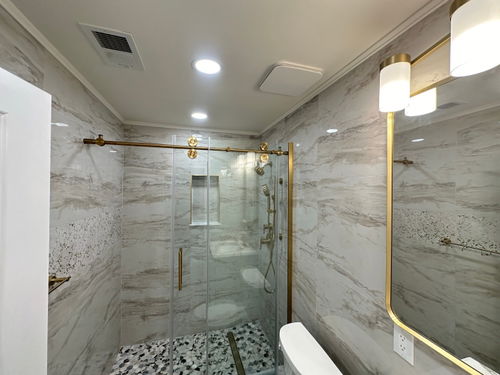
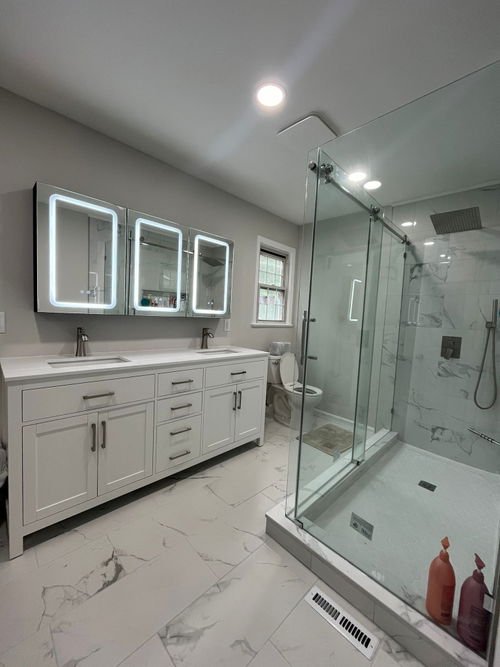
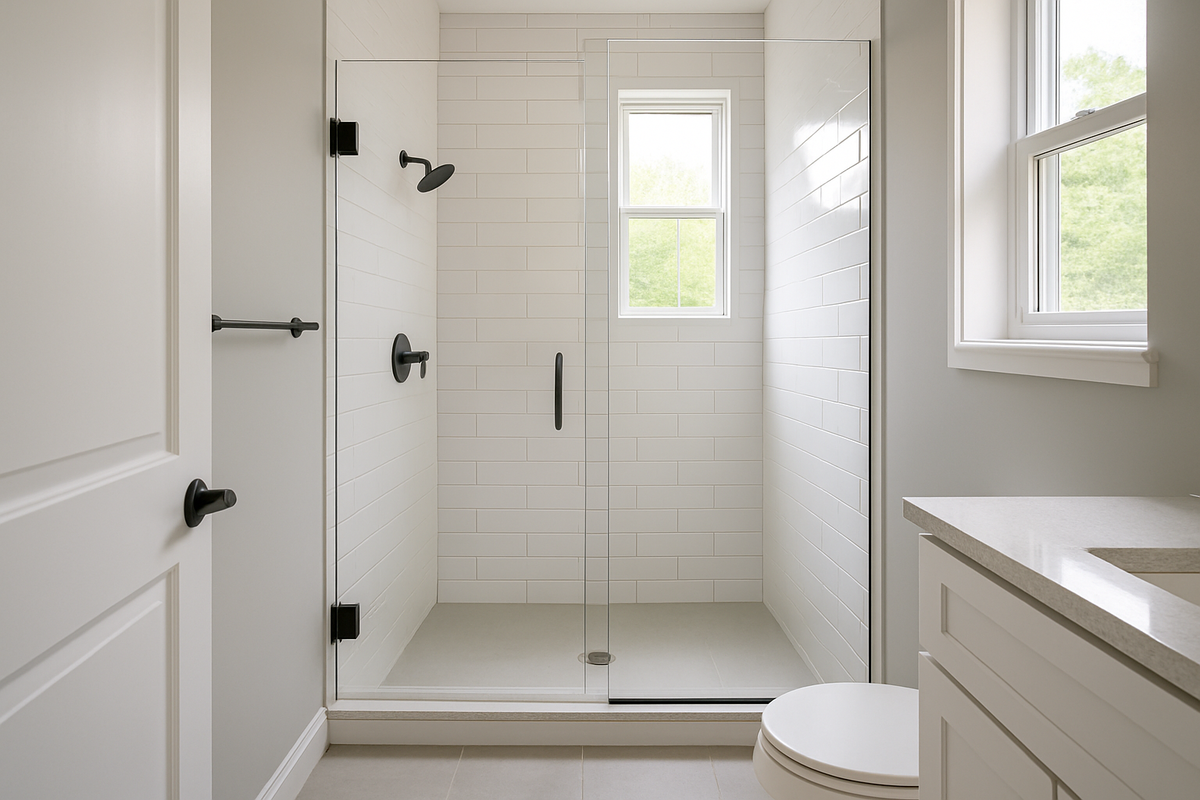
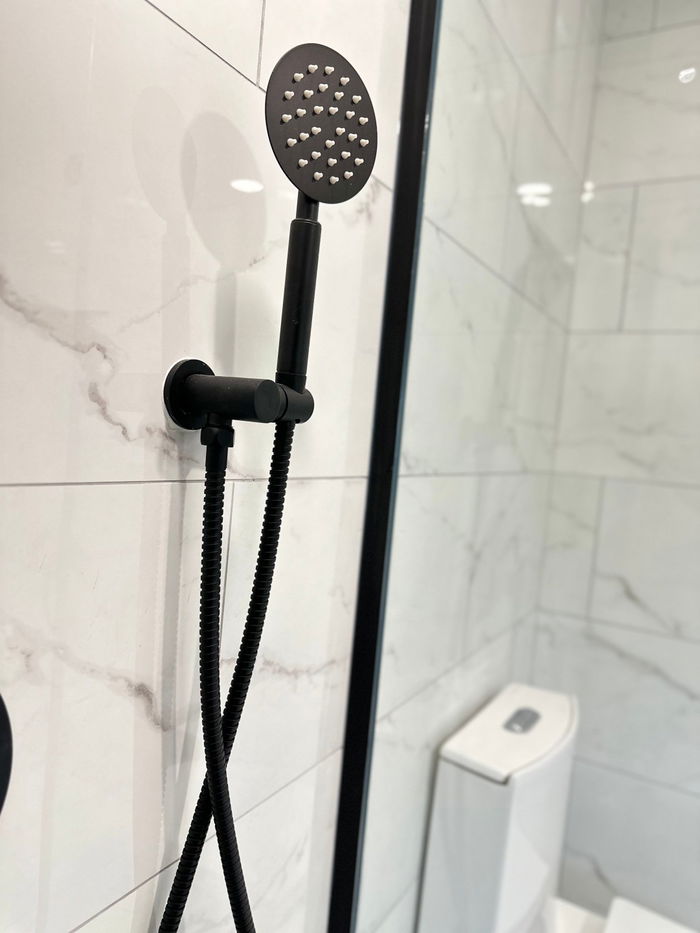
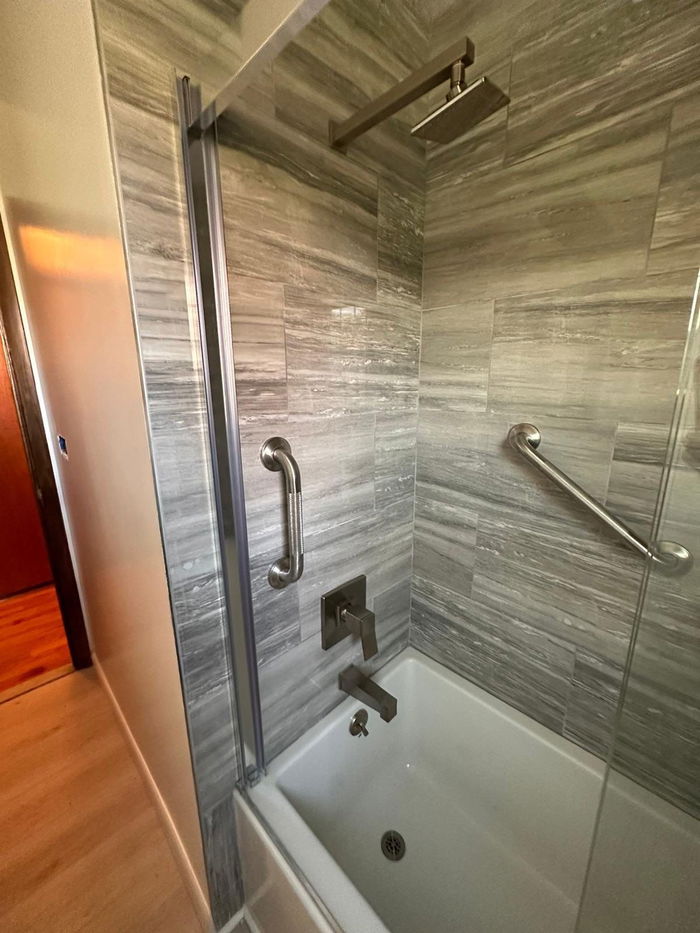
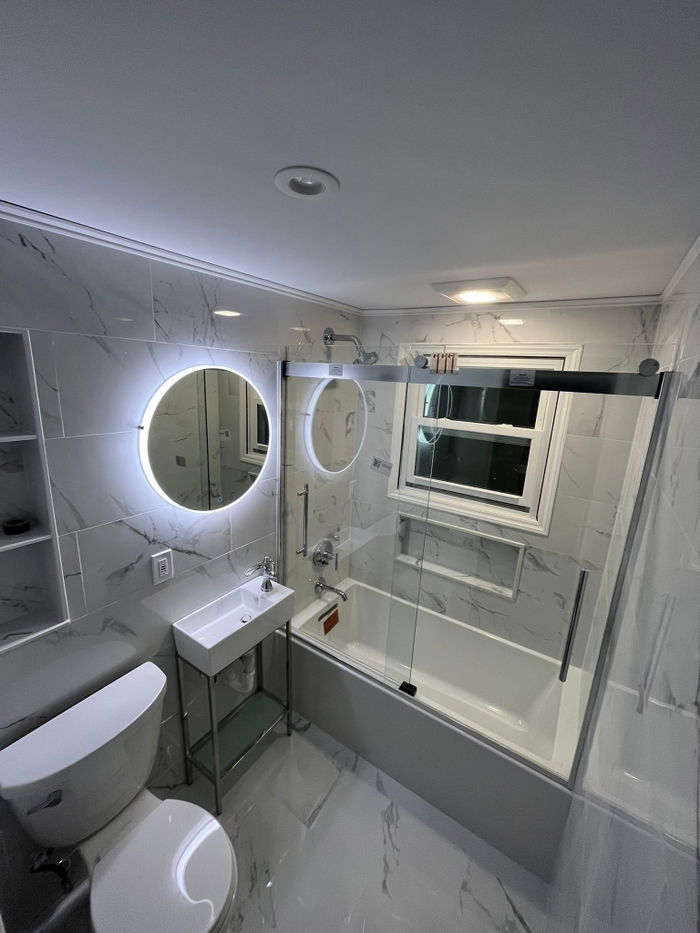
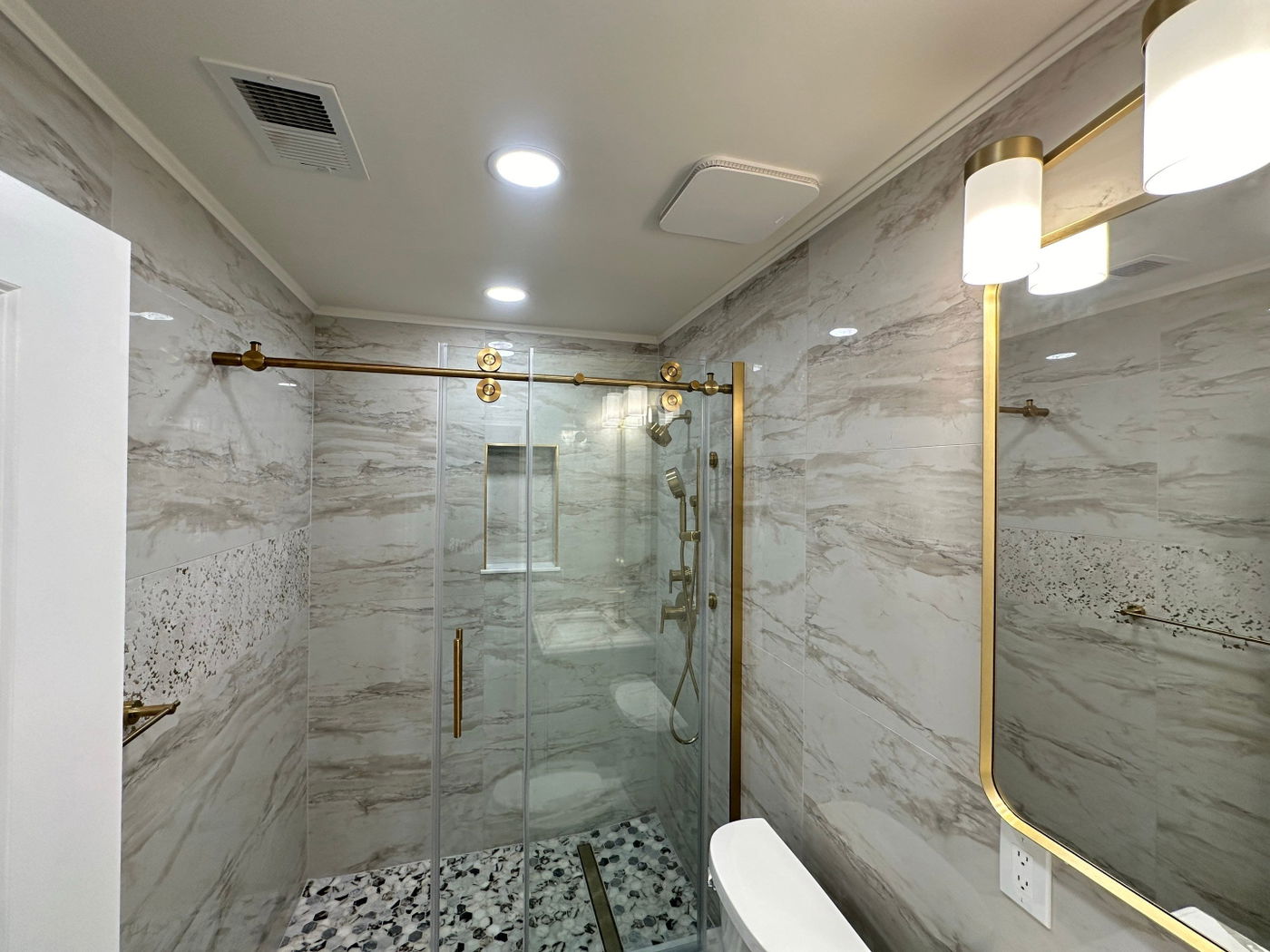
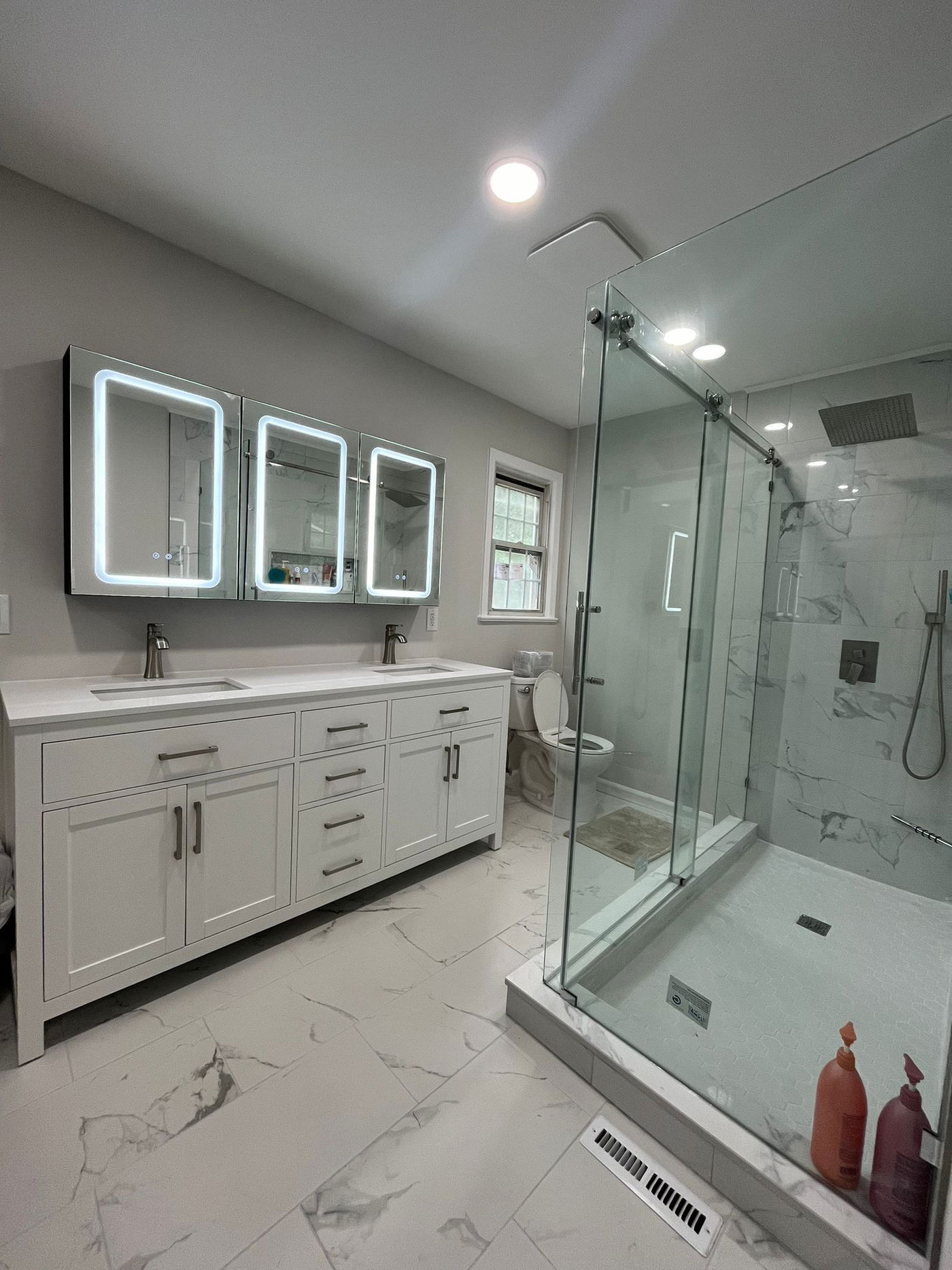
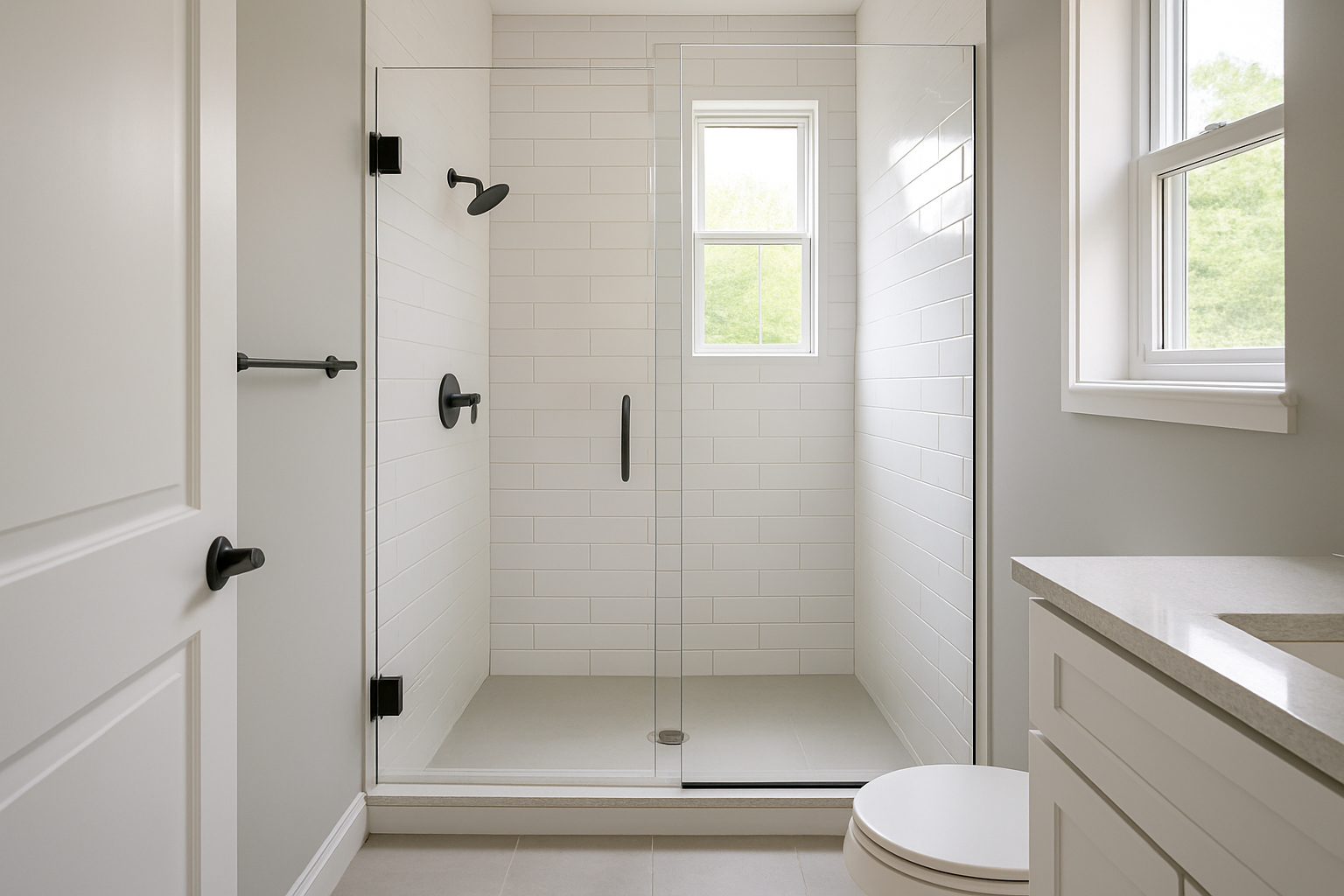
Walk-in shower installation in a converted tub space, white tile and frameless glass — Home Concepts Construction NJ

Our approach

How we approach tub-to-shower conversion

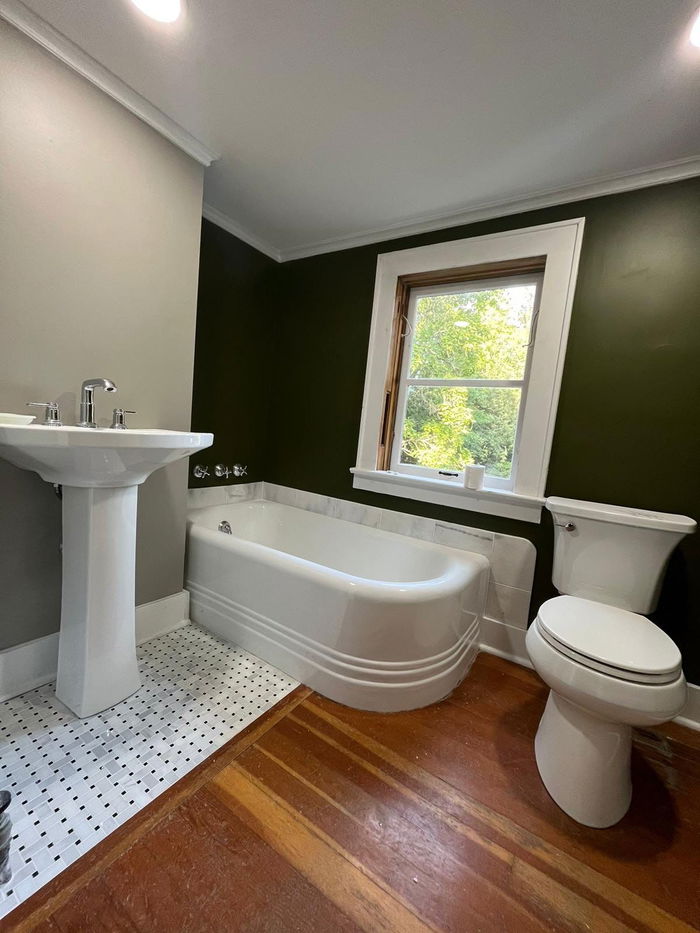
Most homeowners who call us for a tub-to-shower conversion have the same story: an old cast-iron tub nobody bathes in anymore, hard to step over, and a shower curtain or sliding door that's never quite right. Replacing it with a proper walk-in shower opens up the room, makes daily use easier, and usually stays in the same footprint — so it's a focused project, not a full bathroom gut.

The work itself is more than swapping fixtures. The drain has to move, the floor has to slope right, the substrate behind the tile has to be a real waterproof membrane, and the venting has to handle steam without rotting framing. We plan all of that before the first tile gets cut.

What this includes

  • Drain relocation, waterproof membrane, and slope-to-drain done right
  • Low-threshold or curbless entry options for aging-in-place
  • Tile, glass, fixtures, and lighting picked together — not piecemeal
What makes our approach different

  • Waterproofing membrane is part of the plan, not a hopeful afterthought.
  • Layout and threshold decisions get made for how you'll use the room in 10 years, not just today.
  • We sequence the project so the family isn't without a working bathroom for weeks.
  • 80+

    NJ towns served

  • 9

    Services we handle end-to-end

  • 15+

    Years remodeling NJ homes

In short

What HCC does for tub-to-shower conversion in New Jersey

Home Concepts Construction converts old bathtubs into walk-in showers across northern New Jersey — relocating the drain, sloping the floor, installing waterproof membrane behind the tile, and coordinating glass, fixtures, and tile selection. The project typically stays within the existing tub footprint, so it's faster and lower-scope than a full bath remodel.

Typical cost range

What drives the price of a tub-to-shower conversion in NJ

Tub-to-Shower Conversion costs vary depending on the factors below. We don't quote prices over the phone — final pricing is confirmed after an in-home walkthrough so the number reflects your specific space, not a generic range.

  • Tub size being replaced (60" alcove is most common; 54" or 72" change scope)
  • Drain relocation distance and access from below
  • Threshold style — standard curb, low-threshold, or curbless (curbless adds framing recess)
  • Tile selection — porcelain, ceramic, natural stone, mosaic accents
  • Glass — semi-frameless vs. frameless; door size
  • Niches, benches, and tile features
  • Existing wall condition — plaster vs. drywall, water damage on demo
  • Ventilation and electrical updates if existing fan or fixtures are non-code

What’s included

What a tub-to-shower conversion project from HCC actually covers

  • On-site walkthrough and measurement
  • Permit pulling for plumbing relocation
  • Tub demolition and disposal
  • Drain relocation and slope-to-drain sub-floor build
  • Waterproof membrane behind all wet walls (sheet or liquid)
  • Tile install on walls, niches, and shower floor
  • Linear or center drain install
  • Shower valve, head, and any rain-shower fixture install
  • Glass templating and frameless or semi-frameless install
  • Caulking, grout sealing, and final cleanup

Real construction realities

Common tub-to-shower conversion challenges in older NJ homes

We've seen these come up enough times that the plan accounts for them up front instead of treating them as surprises mid-project.

Old cast-iron tub removal

Cast-iron tubs are 300+ pounds. We score and break them on-site for safe removal — not a one-person job. We plan disposal logistics in advance.

Drain relocation through old framing

Moving the drain often requires opening the floor below or working around joists. We confirm access before pricing — sometimes a basement ceiling needs to come down temporarily.

Curbless entry framing

A true zero-threshold entry needs the floor framing recessed at the rough-in stage. If joists run the wrong way, structural changes may be needed. We assess this early.

Hidden water damage

Tubs often have slow leaks at the drain or overflow. When we open the wall, we sometimes find rotted framing or subfloor — we plan a contingency rather than discovering it mid-project.

Shower valve depth

Modern thermostatic valves need different rough-in depth than old single-handle valves. We confirm valve type and wall depth before opening anything.

Tile pattern around niche and bench

Niches and benches require thoughtful tile cutting and waterproofing. Sloppy tile work fails in 2-3 years. We plan layouts in advance.

Our process

How a tub-to-shower conversion project moves from first call to final walkthrough

  1. On-site walkthrough

    We measure the existing tub, check drain access, look at the wall condition, and confirm what's possible structurally.

  2. Selection planning

    Tile, glass, fixtures, threshold style, niches, bench — all decided up front so nothing slows down production.

  3. Written proposal

    Line-item proposal with allowances for fixtures, tile, glass, and a contingency for hidden conditions.

  4. Permit and ordering

    We pull plumbing permits and order tile, fixtures, and glass so they arrive when production is ready.

  5. Demo and rough-in

    Tub removal, drain relocation, framing changes if needed, plumbing rough.

  6. Waterproofing and tile

    Membrane install, tile install with proper backing, niche and bench detailing, grout, and seal.

  7. Glass and fixtures

    Glass templated after tile is set, then installed. Fixtures installed and tested. Final walkthrough.

What great tub-to-shower conversion requires

The part most homeowners never see — and the part that matters most.

Structural planning

Understanding what's behind the wall before opening it. Load paths, plumbing runs, and electrical — mapped before anyone swings a hammer.

Material coordination

Cabinets, counters, tile, fixtures — ordered together, timed to arrive when trades are ready. No idle days, no last-minute substitutions.

Permit & code compliance

We pull permits, schedule inspections, and make sure everything passes. The work should hold up to scrutiny, not just look good.

Trade sequencing

Plumber, electrician, framer, tile setter — each one needs the last one finished. We keep the sequence tight so the timeline stays real.

Site protection

Your home is not a construction site. We cover floors, contain dust, and clean up every day so the rest of the house stays livable.

Clear communication

You know what's happening tomorrow. Every decision, delay, or change is communicated the same day — not discovered after the fact.

The HCC process

Clear steps. Fewer surprises. A remodel you can actually live through.

01

Project fit call

We learn what you want to change, where you are in the process, and whether HCC is the right fit.

02

Walkthrough and planning

We review the space, talk through scope, budget, timing, constraints, and the decisions that matter most.

03

Clear proposal

You get a practical scope of work, next steps, and a realistic path forward before construction begins.

04

Managed build

We coordinate the trades, protect the home, communicate progress, and keep the job moving.

Free homeowner planning guide

Get the questions to ask before you hire a remodeling contractor.

Use the free Remodeling Planning Checklist to compare contractors, pressure-test budgets, and avoid the vague estimates that create expensive surprises later.

  • Scope and budget questions
  • Permit and timeline prompts
  • Material decision checklist
  • Red flags before signing

Start with a budget consultation.

Tell us what you are considering. We will help you understand what affects cost, what can be phased, and what should be handled first.

No pressure. No commitment. Helpful answers first.

FAQ

Tub-to-Shower Conversion — common questions

How long does a tub-to-shower conversion take?

A focused conversion typically runs about a week of active work once materials are on site, plus selection time before that. Full-bath remodels take longer; this is one of the faster projects we do.

Will the shower fit in the same space the tub is in now?

Almost always — most standard tub footprints (60" or 54") convert to a roomy walk-in shower without expanding the wall. We measure first and confirm before pricing.

Can you do a low-threshold or curbless shower for aging in place?

Yes. We can frame in a recessed pan, slope the floor properly, and run a linear drain — that's how we get a true zero-threshold entry. We'll talk through the structural piece since it sometimes affects floor framing.

Do I need a permit?

In most NJ towns, plumbing permits are required when relocating a drain. We pull the permit and handle inspections — you don't have to deal with the township yourself.

Get a free quote

Thinking about a tub-to-shower conversion project?

Tell us what you want to fix, where you are in the process, and when you want to start. We will respond within one business day with practical next steps.

By submitting this form you consent to being contacted by Home Concepts Construction regarding your inquiry.

Local NJ contractor

A local remodeling company in New Providence, NJ

Also serving homeowners in nearby towns like Fair Lawn, Paramus, Ridgefield, Teaneck, Tenafly.

Call nowBook in-home visit