Home Concepts Construction

Basement Bathroom Addition

Add a bathroom downstairs without an expensive surprise

Basement bathrooms are common — and they're also where most contractors cut corners. The drainage and venting work below grade is what determines whether the bathroom is a success or a recurring problem.

Licensed & InsuredWritten ScopeOne Point of Contact
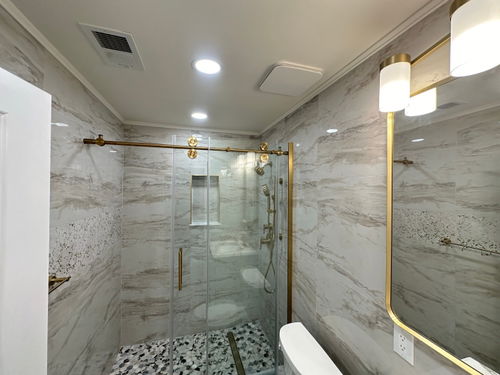
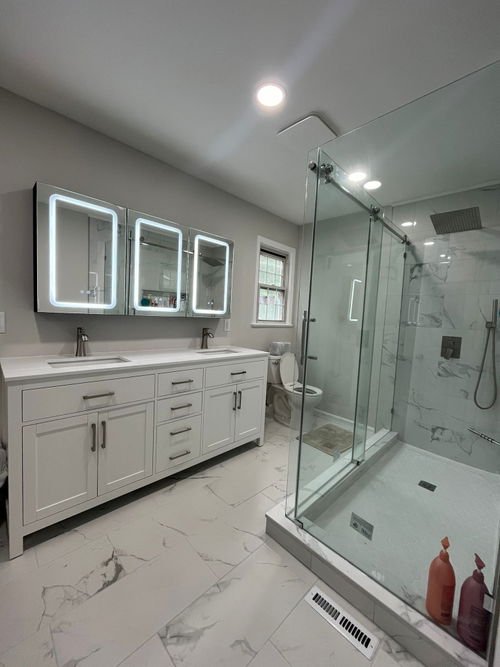
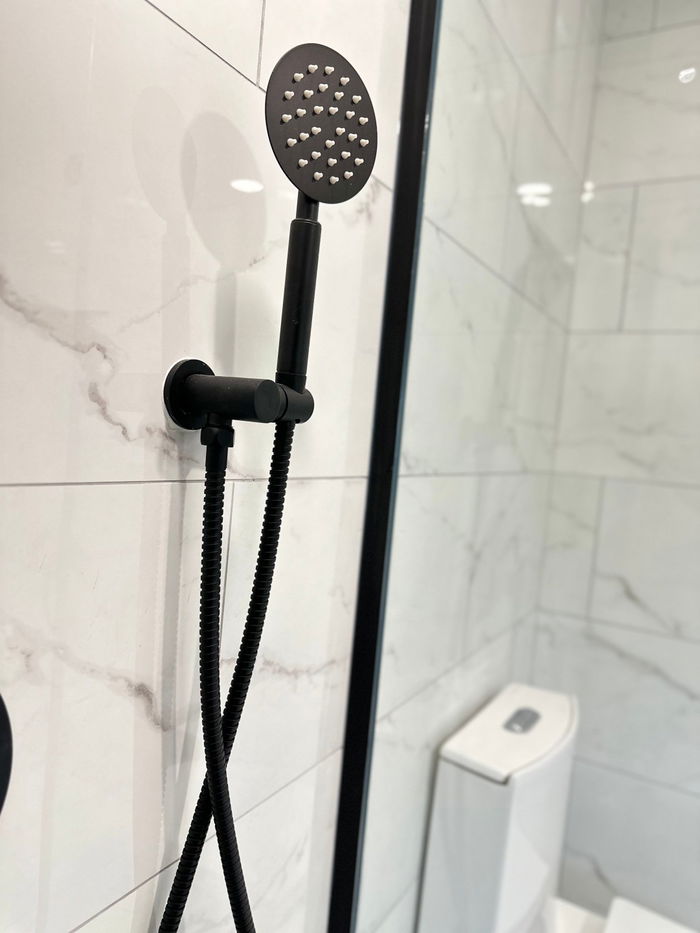
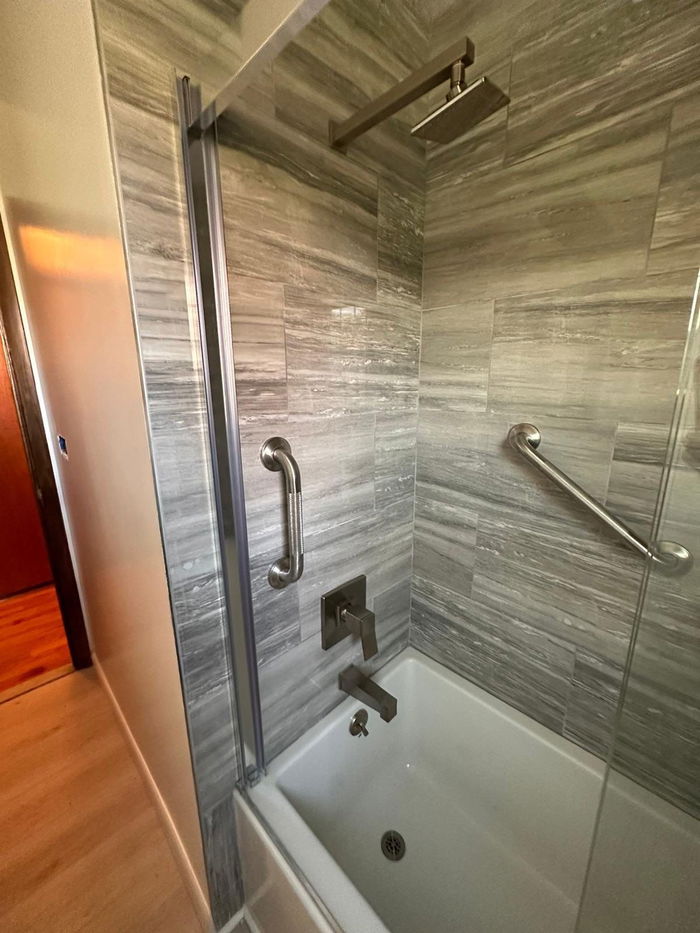
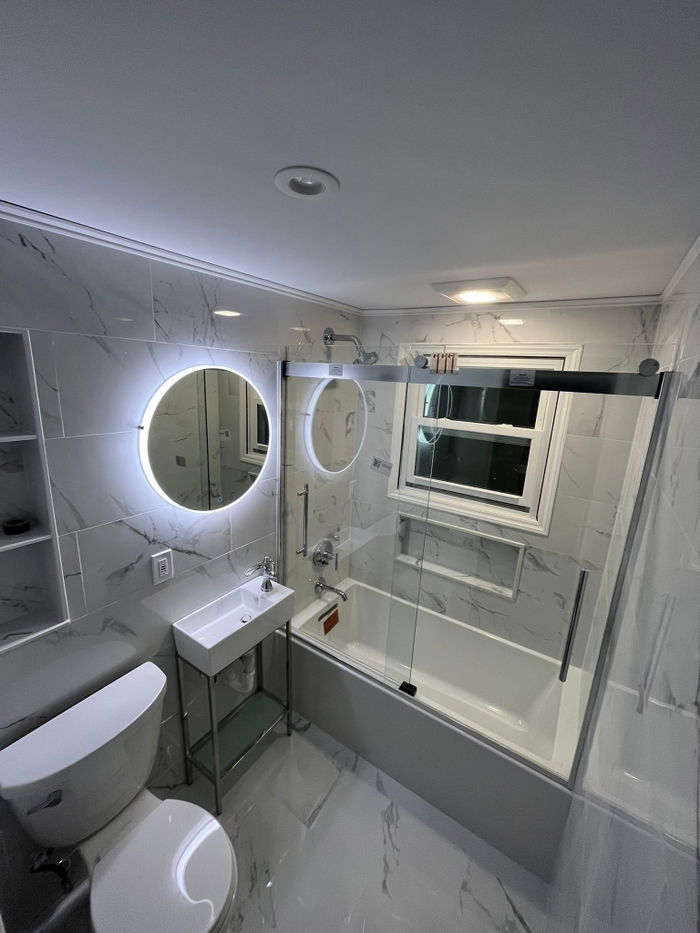
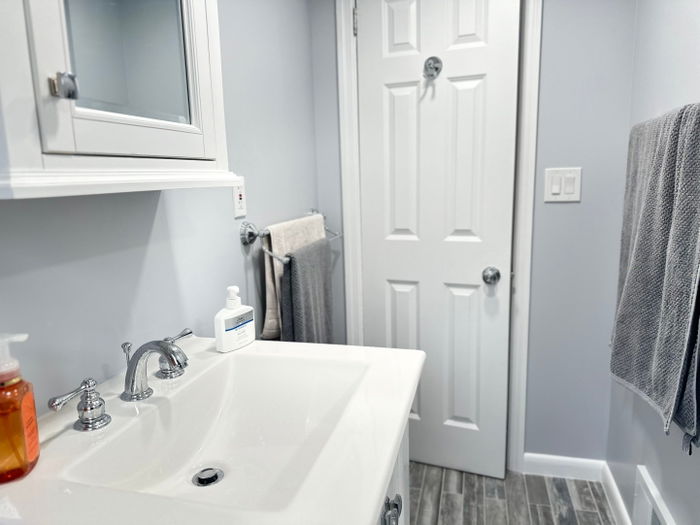
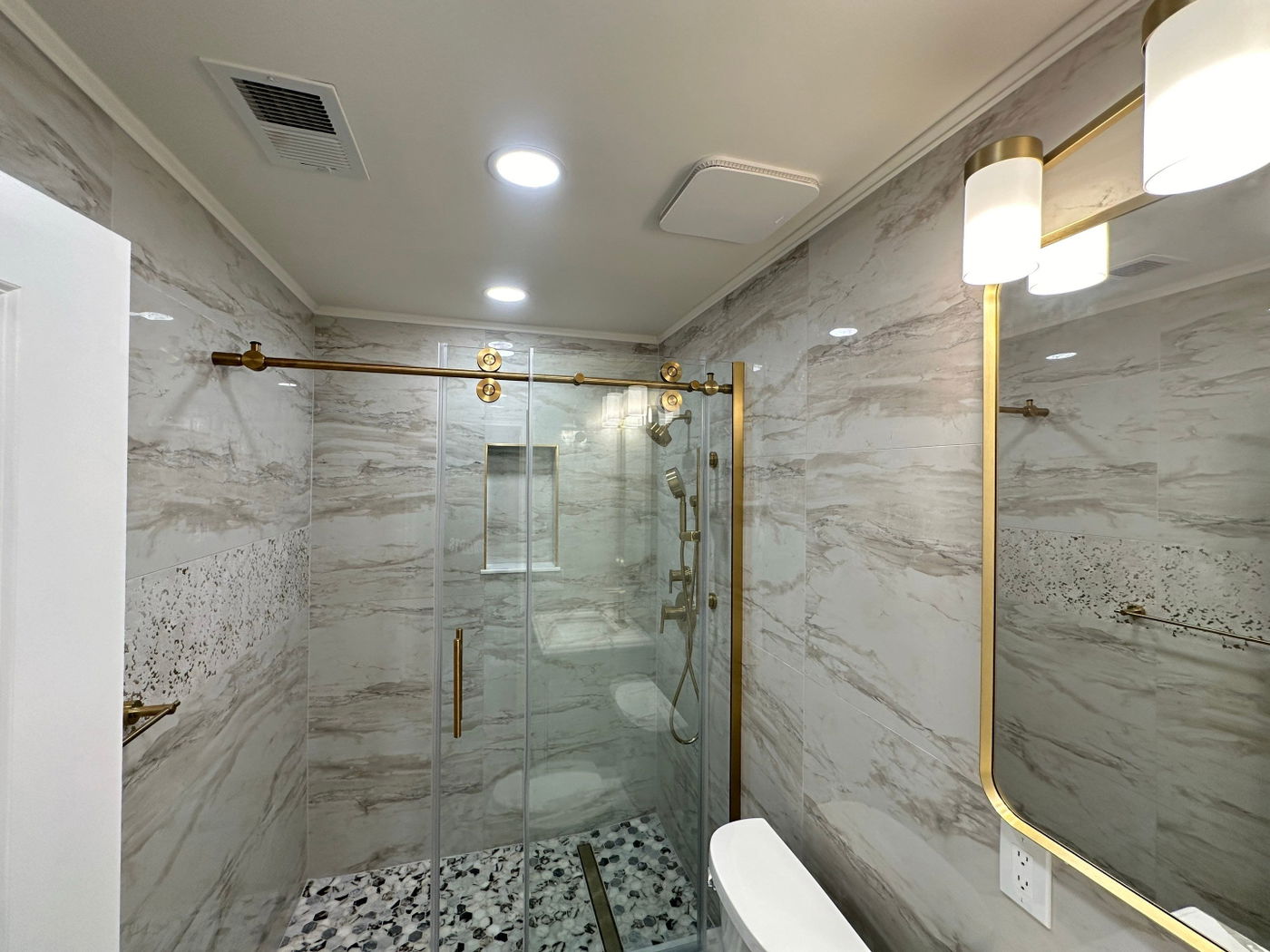
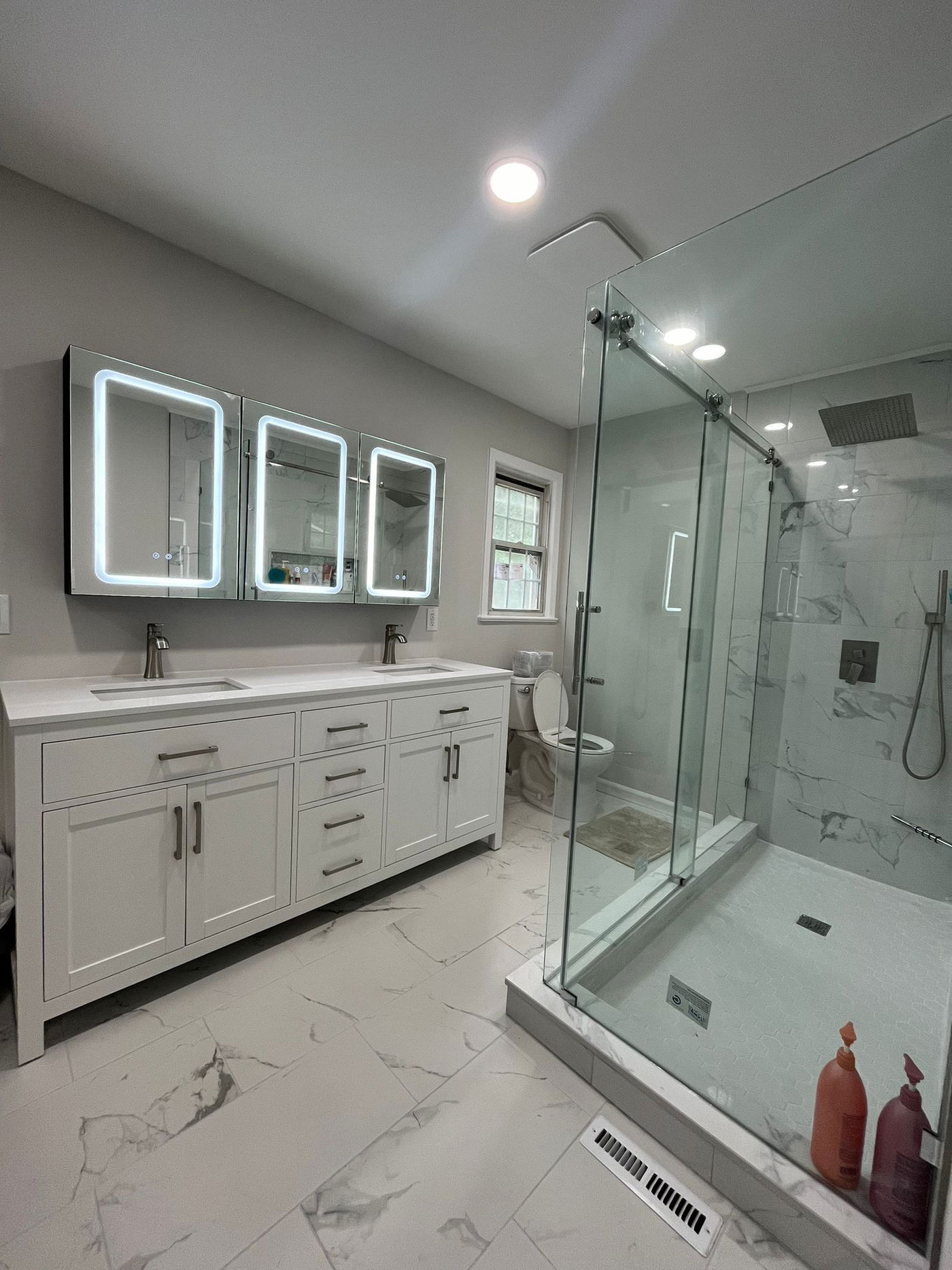
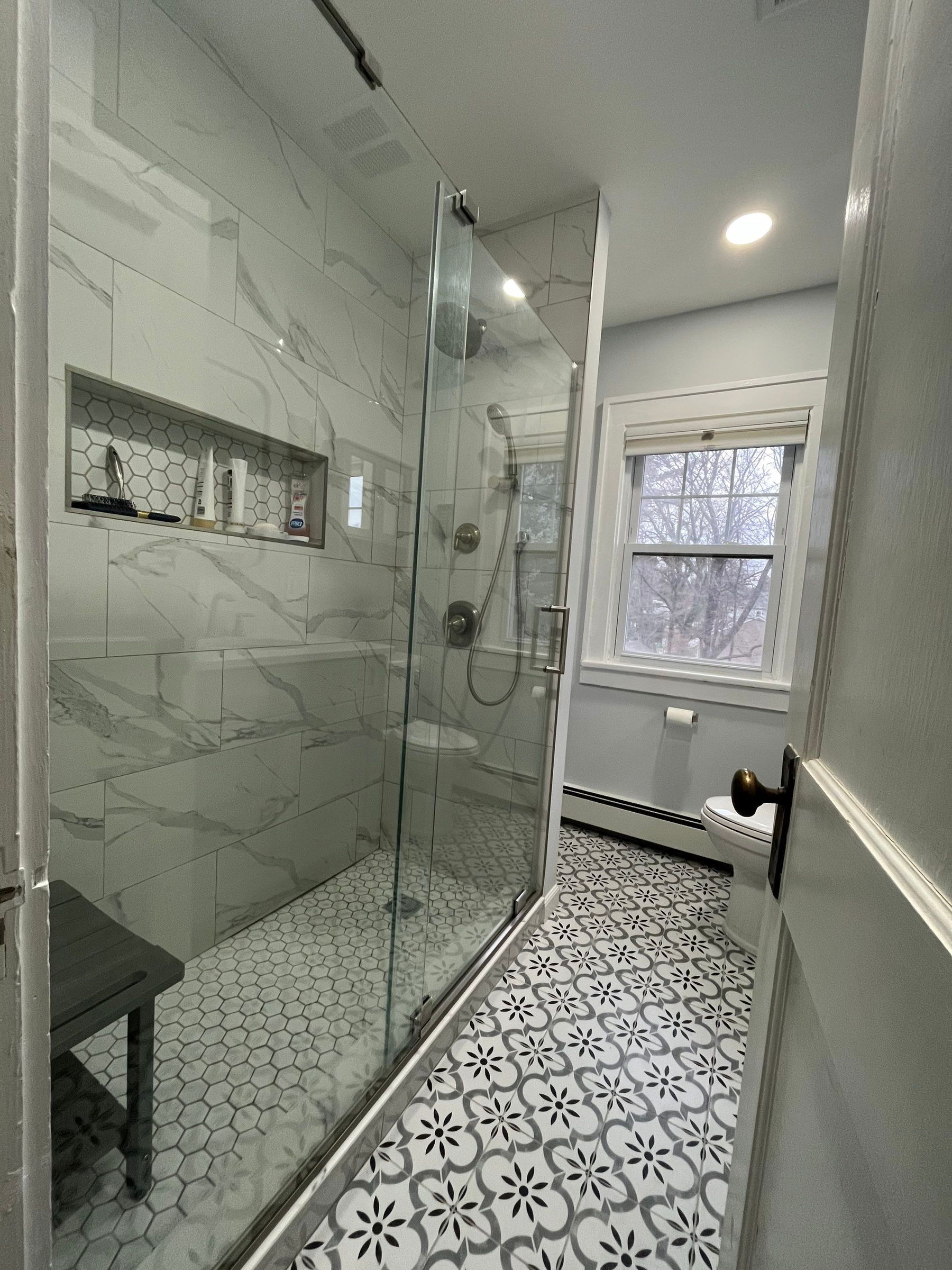
Newly added basement bathroom with shower and vanity — Home Concepts Construction NJ

Our approach

How we approach basement bathroom addition

Adding a bathroom to a basement looks simple on paper — frame it in, run the plumbing, finish it. In practice, the work below the slab and behind the walls is where the project either succeeds or comes back to haunt the homeowner.

The first decision is drainage. If the basement floor is below the main sewer, you need a sewage ejector pump or an upflush system — that's a separate plumbing scope, and it's where most basement bathrooms either work or constantly clog. We figure out which approach fits your basement before pricing the rest.

What this includes

  • Sewage ejector or upflush system selection — sized to the basement floor
  • Below-slab drain runs, vent stack, and rough-in done before framing closes up
  • Full or half bath — toilet, vanity, shower, exhaust fan all coordinated
What makes our approach different

  • Drainage approach gets decided based on your floor level, not a rule of thumb.
  • Vent run gets planned to code, not bolted on as an afterthought.
  • Permits and inspections are handled — you don't chase the township.
  • 80+

    NJ towns served

  • 9

    Services we handle end-to-end

  • 15+

    Years remodeling NJ homes

In short

What HCC does for basement bathroom addition in New Jersey

Home Concepts Construction adds full or half bathrooms to existing basements across northern New Jersey. We plan drainage, sewage ejector or upflush systems, venting, framing, electrical, waterproofing, and finishes as one coordinated scope so the new bathroom works correctly the first time and stays working.

Typical cost range

What drives the price of a basement bathroom addition in NJ

Basement Bathroom Addition costs vary depending on the factors below. We don't quote prices over the phone — final pricing is confirmed after an in-home walkthrough so the number reflects your specific space, not a generic range.

  • Drainage approach — sewage ejector pump (in-floor pit) vs. upflush macerator system
  • Distance from new fixtures to the main sewer stack
  • Venting path — tying into existing vent stack, running new to roof, or AAV
  • Whether floor needs to be cut and re-poured (ejector) vs. surface plumbing (upflush)
  • Bathroom size — half-bath (toilet + sink) vs. full bath (toilet + sink + shower or tub)
  • Tile, fixture, and vanity selection
  • Permits — multiple required (building, plumbing, electrical)
  • Service capacity — does the existing panel support the added loads

What’s included

What a basement bathroom addition project from HCC actually covers

  • On-site walkthrough — basement floor level vs. sewer line, condition assessment
  • Permit pulling for building, plumbing, and electrical
  • Sewage ejector pit excavation and pump install (or upflush system)
  • Below-slab drain runs, supply lines, and vent stack
  • Framing, insulation, and waterproofing
  • Drywall, plaster repair if existing, and finish
  • Electrical rough and finish — lighting, exhaust fan, GFCI outlets
  • Tile or LVP floor with proper waterproof membrane in shower
  • Vanity, sink, toilet, shower or tub install
  • Inspections coordinated at each phase
  • Final cleanup and walkthrough

Real construction realities

Common basement bathroom addition challenges in older NJ homes

We've seen these come up enough times that the plan accounts for them up front instead of treating them as surprises mid-project.

Sewage ejector pit installation

Cutting through the basement floor to install an ejector pit is a real demolition scope. We size the pit, plan electrical for the pump, and confirm sewer connection before pricing.

Upflush vs. ejector decision

Upflush macerator systems (like Saniflo) avoid breaking the slab but have moving parts and noise. Ejectors are quieter and more reliable long-term. We explain the trade-off rather than just defaulting to one.

Vent stack routing

Bathroom plumbing must vent to maintain trap seals. Tying into an existing stack is easy if it's accessible; running a new stack to the roof is more invasive. We map the path before pricing.

Moisture in the surrounding basement

If the basement has any moisture issue, we solve it before adding a bathroom. New finishes won't survive ambient dampness.

Service panel capacity

Adding a bathroom adds outlets, lighting, exhaust, and possibly a heated floor. We check whether the existing panel can handle it or if a sub-panel is needed.

Code-required ceiling height

NJ code generally requires 7' minimum ceiling height in habitable rooms; bathrooms have specific minimums for toilet, shower, and clearance. Low basements need careful planning.

Our process

How a basement bathroom addition project moves from first call to final walkthrough

  1. On-site walkthrough

    We assess the basement floor level relative to the sewer, check ceiling height, look at the existing service panel, and confirm the proposed location is feasible.

  2. Drainage strategy decision

    Ejector vs. upflush — we explain the trade-offs based on your basement, recommend the right approach, and price accordingly.

  3. Layout and selection

    Half vs. full bath, fixture placement, finishes — selected together with the drainage plan.

  4. Written proposal

    Line-item proposal with allowances and a contingency for hidden conditions like service capacity or vent routing.

  5. Permits

    Building, plumbing, and electrical permits pulled with the township. Inspections scheduled at each rough phase.

  6. Production

    Excavation (if ejector), drainage, framing, plumbing, electrical, waterproofing, drywall, tile, fixtures — sequenced tight.

  7. Final walkthrough

    We test all fixtures, walk the new bathroom with you, and resolve any punch-list items before close-out.

What great basement bathroom addition requires

The part most homeowners never see — and the part that matters most.

Structural planning

Understanding what's behind the wall before opening it. Load paths, plumbing runs, and electrical — mapped before anyone swings a hammer.

Material coordination

Cabinets, counters, tile, fixtures — ordered together, timed to arrive when trades are ready. No idle days, no last-minute substitutions.

Permit & code compliance

We pull permits, schedule inspections, and make sure everything passes. The work should hold up to scrutiny, not just look good.

Trade sequencing

Plumber, electrician, framer, tile setter — each one needs the last one finished. We keep the sequence tight so the timeline stays real.

Site protection

Your home is not a construction site. We cover floors, contain dust, and clean up every day so the rest of the house stays livable.

Clear communication

You know what's happening tomorrow. Every decision, delay, or change is communicated the same day — not discovered after the fact.

The HCC process

Clear steps. Fewer surprises. A remodel you can actually live through.

01

Project fit call

We learn what you want to change, where you are in the process, and whether HCC is the right fit.

02

Walkthrough and planning

We review the space, talk through scope, budget, timing, constraints, and the decisions that matter most.

03

Clear proposal

You get a practical scope of work, next steps, and a realistic path forward before construction begins.

04

Managed build

We coordinate the trades, protect the home, communicate progress, and keep the job moving.

Free homeowner planning guide

Get the questions to ask before you hire a remodeling contractor.

Use the free Remodeling Planning Checklist to compare contractors, pressure-test budgets, and avoid the vague estimates that create expensive surprises later.

  • Scope and budget questions
  • Permit and timeline prompts
  • Material decision checklist
  • Red flags before signing

Start with a budget consultation.

Tell us what you are considering. We will help you understand what affects cost, what can be phased, and what should be handled first.

No pressure. No commitment. Helpful answers first.

FAQ

Basement Bathroom Addition — common questions

Do I need a sewage ejector pump for a basement bathroom?

Usually yes — if the basement floor is below the main sewer line (almost all NJ basements), waste from a basement toilet, sink, and shower needs to be pumped up. We size and install the ejector or upflush system as part of the project.

How does venting work for a basement bathroom?

It depends on what's already in place. Sometimes we tie into an existing vent stack; sometimes we run a new one to the roof; sometimes a code-approved AAV (air admittance valve) is the right call. We figure out the right path before any drywall goes up.

Can I add a full bathroom or only a half bath?

Either works. Full baths add more value but require more drainage, venting, and waterproofing work. We help you weigh the trade-off based on how the basement is going to be used.

Get a free quote

Thinking about a basement bathroom addition project?

Tell us what you want to fix, where you are in the process, and when you want to start. We will respond within one business day with practical next steps.

By submitting this form you consent to being contacted by Home Concepts Construction regarding your inquiry.

Local NJ contractor

A local remodeling company in New Providence, NJ

Also serving homeowners in nearby towns like Fair Lawn, Paramus, Ridgefield, Teaneck, Tenafly.

Call nowBook in-home visit