What this guide covers
This guide breaks down the key cost drivers for whole-home renovations in New Jersey, realistic budget ranges, how contractors price work, the typical timeline, common hidden expenses, and how to prepare your home and finances before starting. It’s written for homeowners comparing options or preparing to hire a contractor.
How contractors estimate whole-home renovation costs
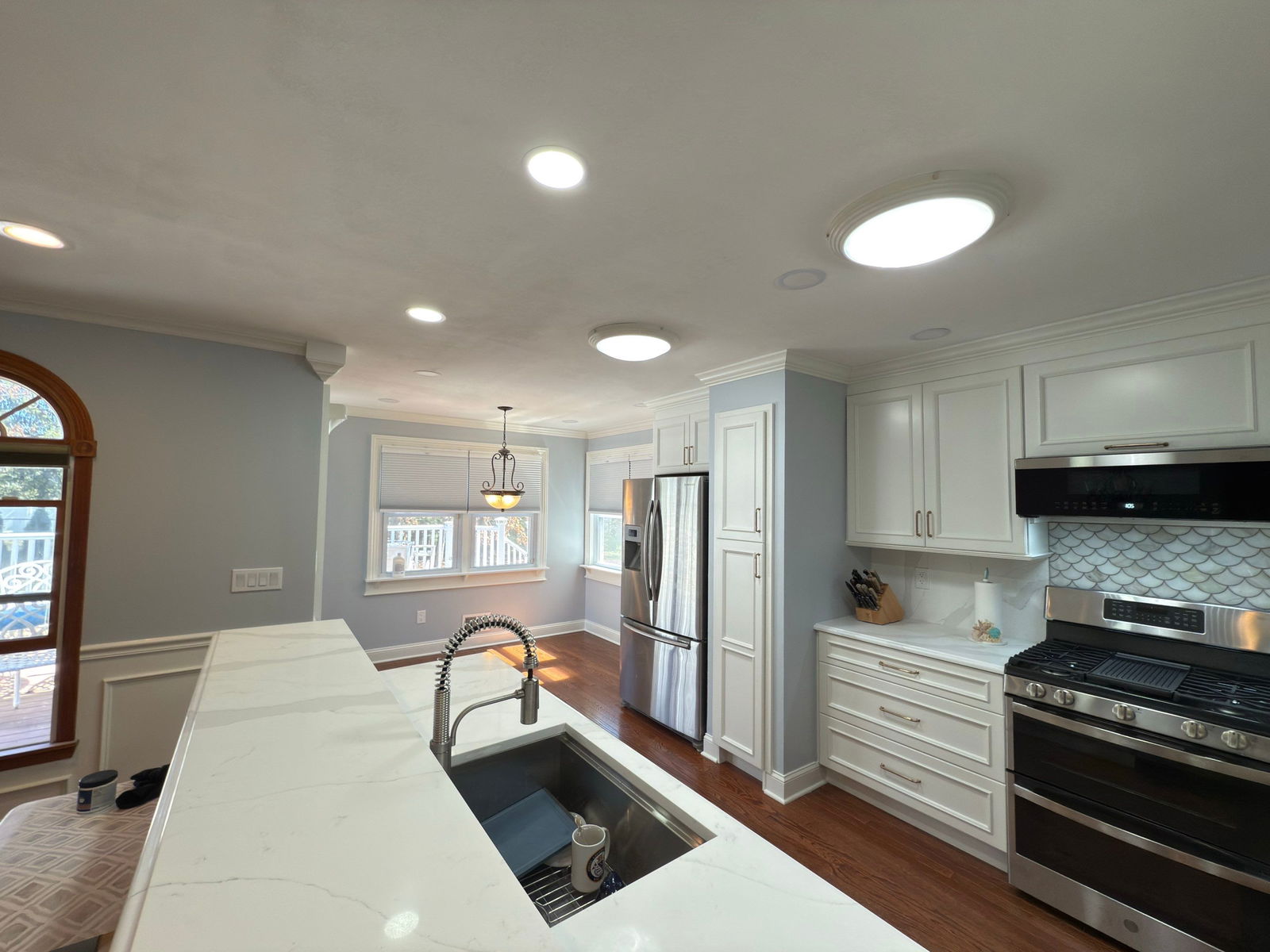
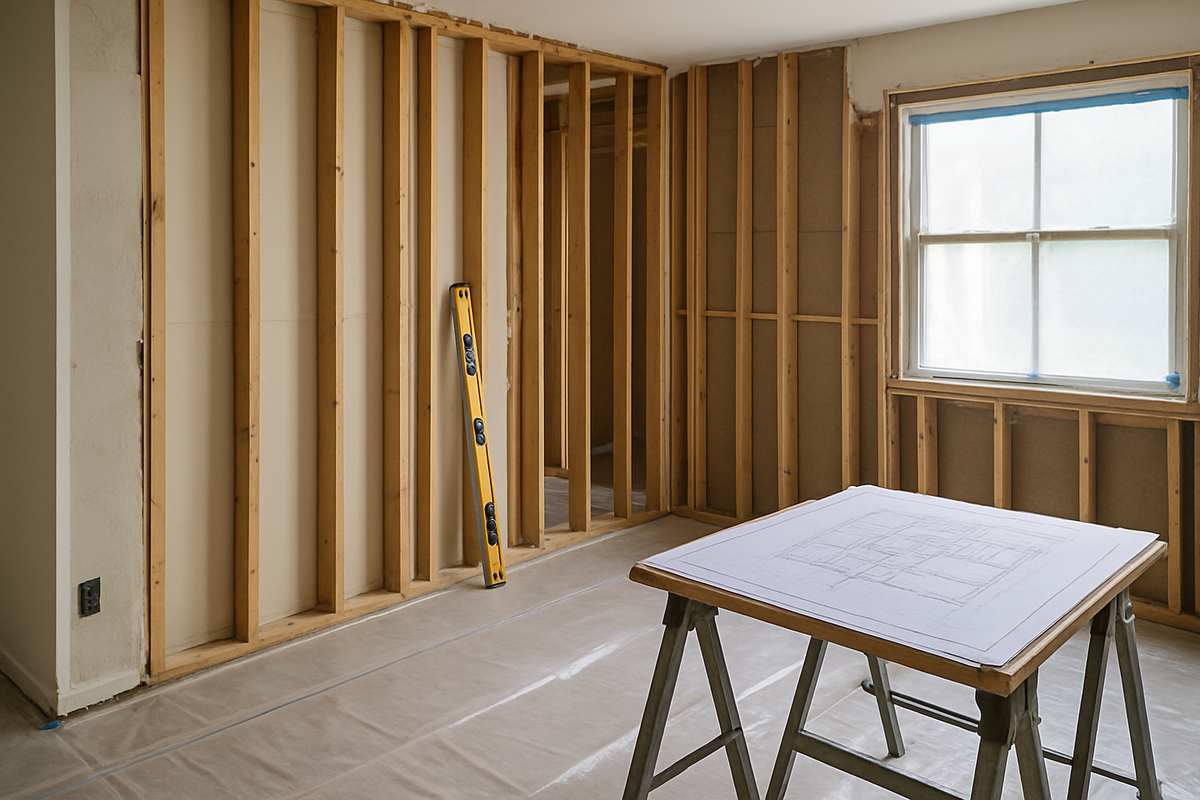
Contractors price whole-home projects by combining scope (rooms and systems), materials, labor, and permitting. Estimates often include: demolition, structural work, HVAC/plumbing/electrical updates, insulation, drywall, finishes (flooring, cabinets, countertops), trim, paint, and final cleanup.
Primary cost drivers to watch
- Scope: full interior gut vs. selective remodel of key areas
- Structural changes: removing/adding walls, moving windows or stairs
- Mechanical upgrades: new HVAC, rewiring, or replacing main plumbing lines
- Finishes and fixtures: custom millwork, stone counters, specialty tile
- Permits, inspections, and code upgrades required by local municipalities
- Site and access issues: staging space, curb access, and disposal
- Unforeseen repairs: hidden rot, mold, asbestos, or termite damage
Typical budget ranges and what they mean
Whole-home renovation budgets vary widely. A limited scope that refreshes finishes will be at the lower end; a full gut and mechanical replacement sits at the higher end. Use the contractor’s line-item estimate to compare: labor hours, material allowances, and contingency (usually a percentage added for unknowns). Ask for trade-level detail so you can see where to save or invest.
Steps to get an accurate estimate
- Initial walkthrough: contractor documents scope, takes measurements, notes systems and access.
- Design and selections: finalize layout decisions and finish selections to avoid allowance surprises.
- Detailed proposal: request a line-item bid with labor, materials, permit fees, and contingency.
- Compare bids: evaluate the same scope across 2–3 contractors and check for missing items.
- Sign contract: include payment schedule, change-order process, and expected start/finish dates.
Timeline expectations and common causes of delay
Whole-home projects typically take several weeks to multiple months depending on scope. Key timeline stages: demolition, rough-in (mechanical/electrical/plumbing), inspections, insulation/drywall, finishes, and punch list. Delays commonly come from permit approval times, long-lead materials (cabinetry, windows), unforeseen structural issues, and contractor scheduling conflicts.
Ways to control costs and keep the project on schedule
- Finalize major selections before work starts to avoid change orders.
- Use standard-sized windows and stock cabinet sizes when possible.
- Bundle work with trades: coordinate plumbing, electrical, and HVAC to reduce multiple site visits.
- Order long-lead items early and confirm delivery dates.
- Keep a contingency fund for unforeseen repairs; review it with your contractor.
- Maintain clear lines of communication: weekly check-ins and a single point of contact.
Living through a whole-home renovation
Decide early whether you’ll stay in the house. Staying reduces housing costs but requires careful planning for dust control, phased work, and protected living spaces. If you plan to remain, set up temporary kitchens, protect HVAC filters, and schedule the noisiest work during daytime hours. Contractors can provide a dust-mitigation plan and a daily cleanup protocol—request that in writing.
What to verify when hiring a contractor
- Written contract with scope, payment schedule, and change-order process.
- Permit handling: confirmation contractor will obtain required permits and schedule inspections.
- Detailed references or portfolio of recent whole-home projects you can inspect.
- Clear plan for site protection, waste removal, and cleanup.
Financing and budgeting tips
Evaluate financing options early—personal savings, home equity lines, renovation loans, or construction loans—and understand how they affect payment timing. Allocate a contingency (commonly 10–20%) for unknowns and upgrade decisions. Break the project into phases if budget constraints require spreading cost over time; prioritize systems and structural work first, finishes later.