Why phase a whole-house remodel
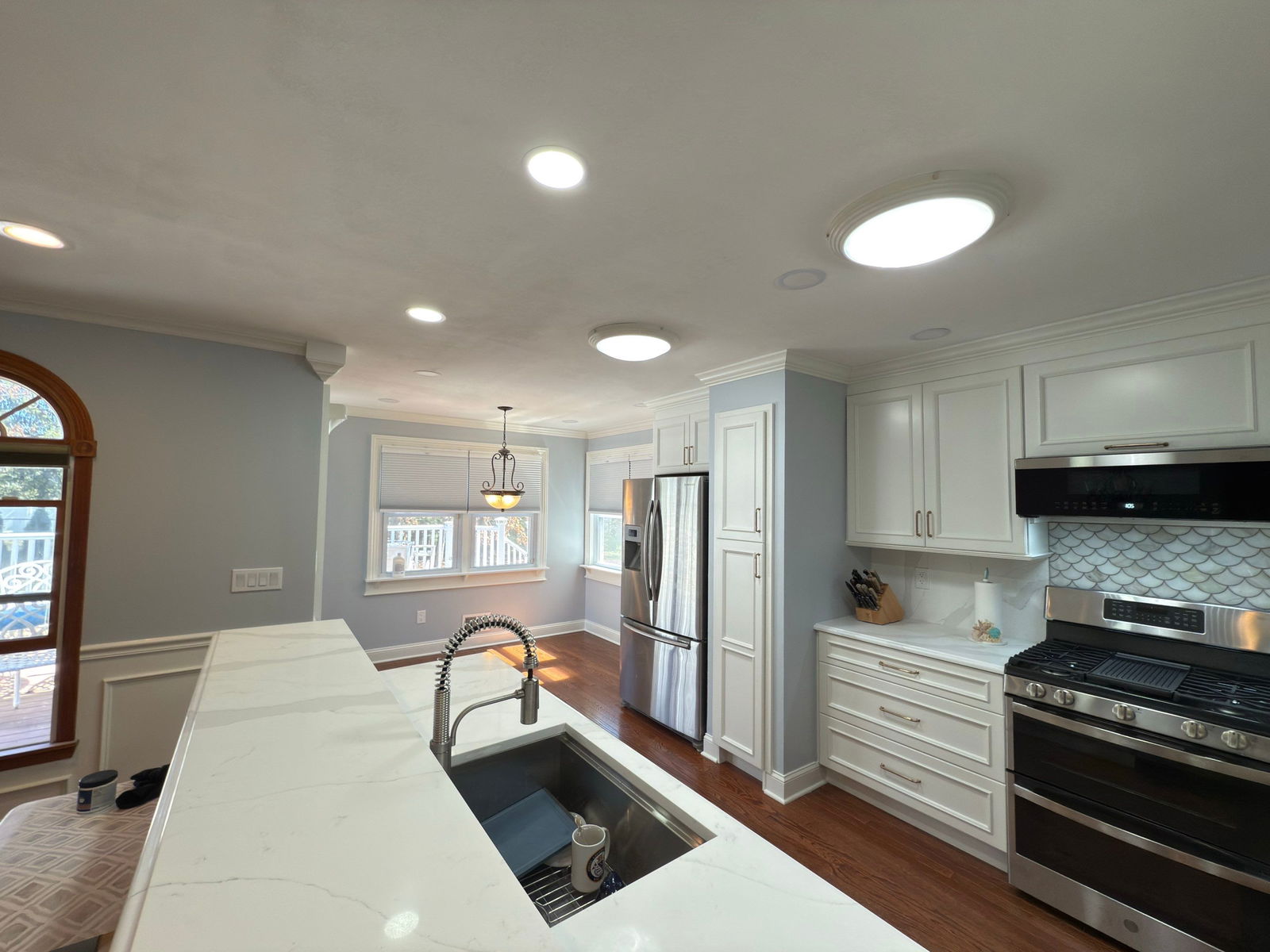
Phasing a full remodel spreads cost, shortens immediate disruption, and lets you prioritize rooms you need first. For many New Jersey homeowners, phasing prevents living through a full demolition at once and makes budgeting clearer. A phased plan also lets you stage contractor work so trades are scheduled efficiently and materials delivered when needed.
Common phasing approaches
- Priority-first: renovate high-use rooms first (kitchen, main bath, primary suite) and leave secondary spaces for later.
- Top-to-bottom: complete upper floors then move to lower levels to avoid reworking finished areas.
- Outside-in: start with exterior and envelope work (roof, windows, siding) before interior upgrades to protect finished work.
- Systems-first: replace HVAC, electrical, and plumbing early so cosmetic work follows without rework.
How to choose phases for your home
Decide based on immediate needs, structural priorities, and budget. Start by listing must-haves versus nice-to-haves, then check house systems: if wiring or plumbing is outdated, schedule those first. Consider occupancy: if you must remain in the house, plan one functional kitchen or bath throughout the project.
Typical phasing sequence and what happens in each stage
- Assessment & design: site walkthrough, scope list by room, preliminary budget ranges, and a recommended phase order.
- Permits & systems: pull permits, replace or re-route plumbing, electrical, and HVAC — this reduces later surprises.
- Structural & exterior: foundation, framing repairs, roof or window replacements to secure the home.
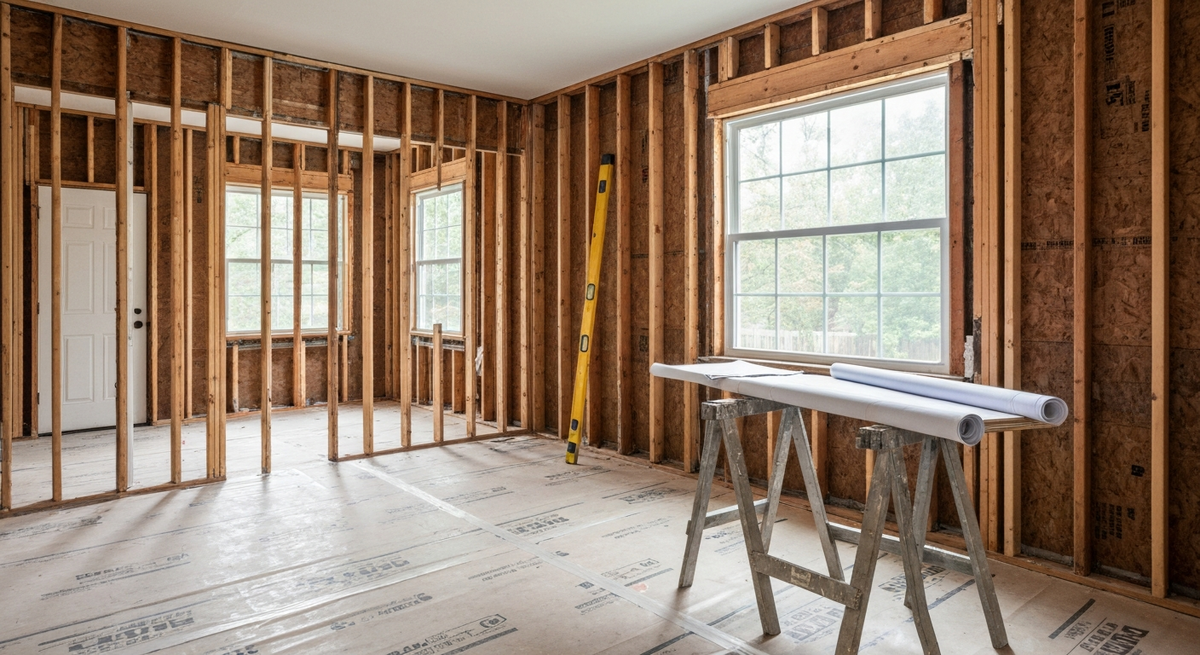
- Interior rough work: insulation, mechanical rough-ins, and drywall — done before finishes in each phase.
- Finishes & trim: cabinets, flooring, paint, fixtures, and final electrical/plumbing connections.
- Punch list & turnover: final inspections, walk-through, and a list of small fixes to close the phase.
Cost factors tied to phasing
Overall cost depends on the same variables as a single-stage remodel but phasing can change cash flow and sometimes increase overall labor or mobilization fees. Key cost drivers include the condition of existing systems, permitting requirements, temporary living arrangements, and the number of times trades must return.
Budgeting tips for phased remodels
- Get line-item estimates for each phase so you can compare true costs and avoid surprises.
- Allocate a contingency (typically 10–20%) per phase to cover unknowns discovered during work.
- Prioritize work that unlocks other phases (systems, structural fixes) to avoid duplicated demolition.
- Plan financing around phases — you can finance the first phase and reassess after completion.
Timeline planning and common causes of delay
Each phase has its own timeline; minor kitchen or bath phases can take weeks, while structural or full-system replacements can take months. Permit wait times, material backorders, and unexpected discoveries (rot, asbestos, code violations) are typical delay causes. Building a realistic schedule with your contractor and allowing buffer time between phases helps keep the overall project moving.
How we work with NJ homeowners
- Start with an on-site walkthrough to map priorities and identify system-level issues.
- Provide phased scopes and separate estimates so you can decide what to tackle now and later.
- Coordinate permits, inspections, and trade scheduling to reduce repeated mobilizations.
Related resources
Next step: schedule a walkthrough
If you’re planning a staged remodel, the most useful next step is an on-site walkthrough. A walkthrough clarifies phase sequencing, reveals system priorities, and produces phase-by-phase cost ranges you can act on.