Home Concepts Construction

Blog

Tub to Shower Conversion NJ: Practical How-To Guide

Step-by-step advice for New Jersey homeowners on costs, plumbing, waterproofing, and living through the work. Learn when a conversion is simple and when it becomes a larger remodel.

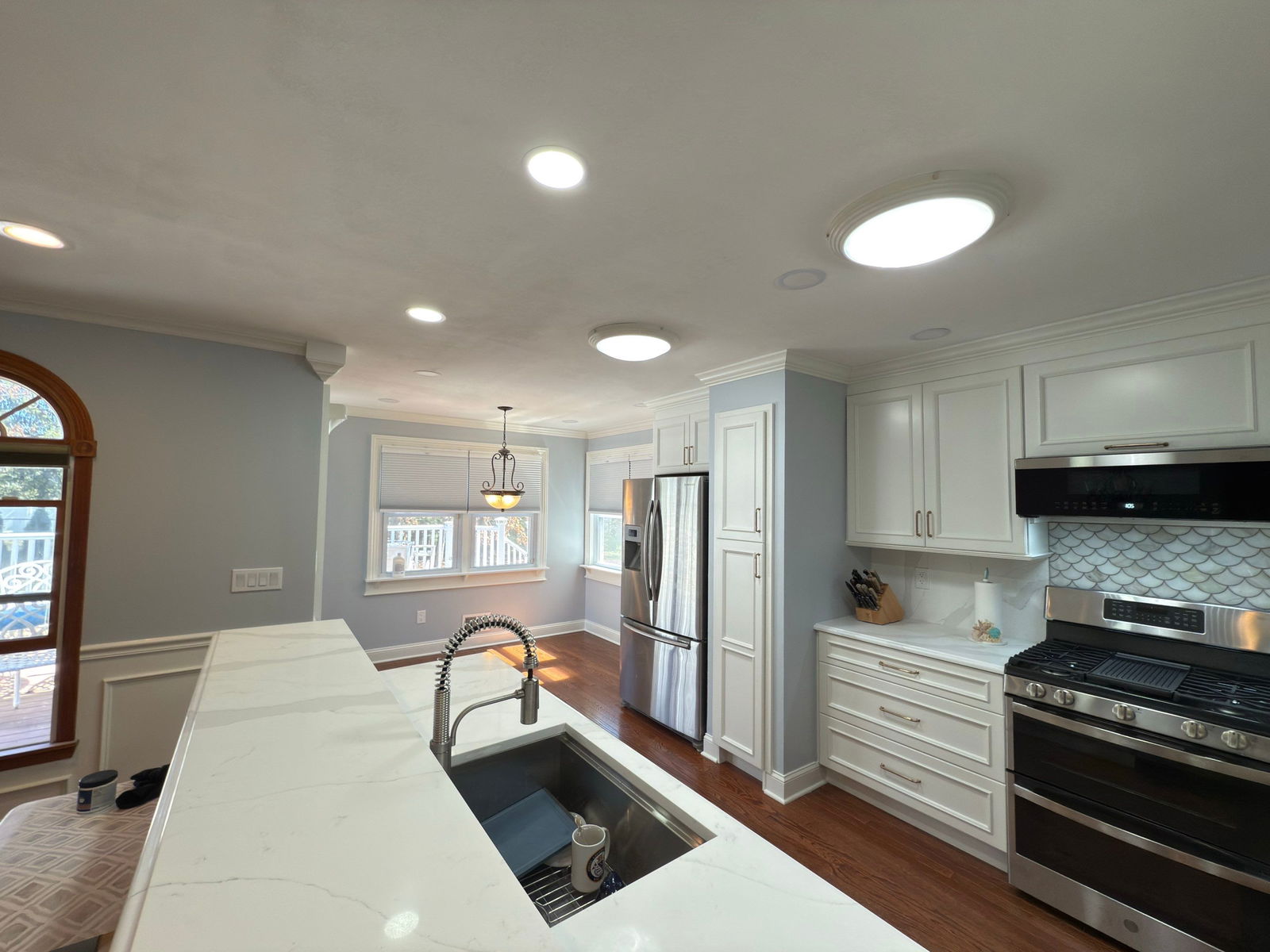
Warren master bathroom remodel features marble-clad walk-in shower with frameless glass enclosure, freestanding white soaking tub, warm-toned tile flooring, wood vanity with dual sinks and brass fixtures, and large windows overlooking wood…

What a tub to shower conversion in NJ actually involves

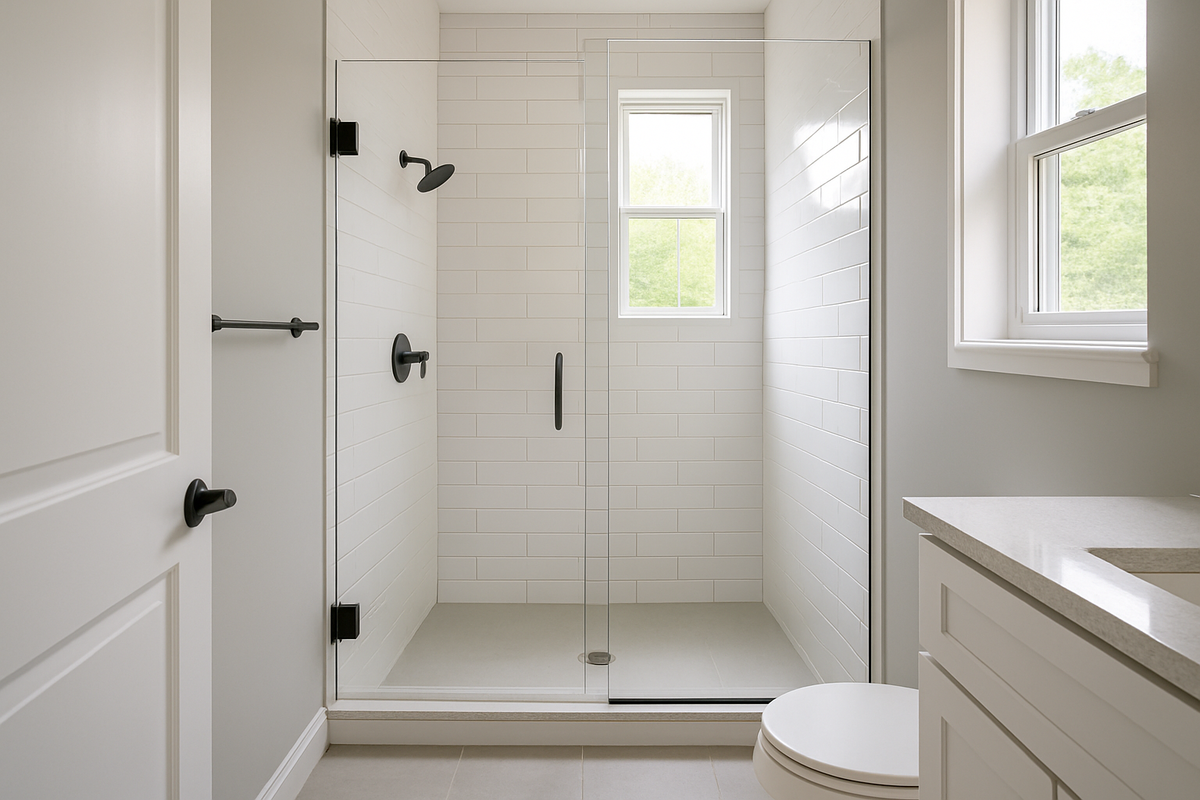
A tub-to-shower conversion replaces a bathtub with a showering area. Work typically includes demo of the tub and surrounding enclosure, adjusting the subfloor and drain, rerouting or extending plumbing, creating a properly sloped shower pan or installing a preformed base, waterproofing walls and floor, and finishing with tile or a prefabricated surround and grab bars or glass doors if desired.

When a conversion is straightforward versus complex

  • Straightforward: existing shower-ready drain location, standard 60" tub footprint, and no structural changes needed — usually a 2–4 day install for the core work.
  • Moderate: drain needs moving, new tile shower pan, or removal of water-damaged subfloor — adds 1–3 days and potential drying time.
  • Complex: main sewer or joist work, curbless (zero-threshold) conversion requiring floor slope and plumbing rework, or accessibility features — may take 1–2 weeks and require a permit.

Typical cost ranges and what changes price

Budget ranges vary with materials and scope. Basic conversions using a prefabricated shower base and minimal plumbing are low-to-mid range. Tile pans, custom tile walls, curbless drains, and moving plumbing increase cost. Other cost drivers: removing and replacing damaged subfloor, adding waterproofing membranes, new valves and fixtures, glass doors, and electrical work for lighting or heated.

Material and feature examples that affect cost

  • Prefabricated acrylic shower base and surround — lower material cost, quicker install.
  • Custom tile pan with waterproof membrane — higher materials and labor, longer timeline.
  • Curbless/zero-threshold shower — more plumbing and floor work, often higher price.
  • New valve, pressure-balancing or thermostatic trim — moderate cost, improves safety.

Realistic timeline and scheduling expectations

A simple tub removal and install of a prefabricated base can be completed in 2–4 days. Tile installations require additional time for mud set, waterproof membranes, tile setting, and grout curing — plan for 5–10 days. Complex conversions (curbless pans, moving drains, structural repairs) commonly extend to 1–2 weeks.

Typical conversion process — step by step

  • On-site walkthrough and measure: confirm plumbing locations, floor framing, and finish preferences.
  • Estimate and scope agreement: itemized quote that shows labor, materials, and allowances.
  • Demo and disposal: removal of tub, surround, and any water-damaged framing or subfloor.
  • Plumbing adjustments: move or set drain, replace or reconfigure rough plumbing and valves.
  • Base and waterproofing: install preformed base or build a sloped mud pan plus membrane.
  • Wall substrate and tile or surround installation: cement board, membrane, tile or prefab panels.
  • Trim and hardware: install glass doors or curtains, fixtures, grab bars, and test plumbing.
  • Clean-up and inspection: final walkthrough, address punch-list items, and schedule any required inspections.

Waterproofing and plumbing: the parts you really can’t skip

Waterproofing failures cause the bulk of bathroom problems. Use a bonded waterproof membrane or a reputable prefabricated system; the membrane must extend behind wall finishes and down to the pan. If moving the drain to create a curbless shower, floor slope and trap location become critical.

Accessibility and curbless options

If you need an accessible shower, plan for a curbless entry and a barrier-free layout with grab bars and a bench. Curbless showers often require floor-level changes in the bathroom and precise slope to a linear drain. These changes add cost and time but provide long-term usability. Discuss ADA-style grip placement and shower seats during the design phase.

Common homeowner choices and quick pros/cons

  • Prefabricated shower pan: faster install, lower cost, limited finish options.
  • Tile pan with mud bed and membrane: customizable, higher labor and cure time, more durable if installed correctly.
  • Curb shower: simpler drainage, easier waterproof transition, not barrier-free.
  • Curbless shower with linear drain: barrier-free, modern look, more extensive floor and plumbing work.

Living through the work: disruption and mitigation

Expect dust, noise, and loss of bathroom access for parts of the project. Keep one functioning bathroom where possible or plan temporary access to a neighbor or alternate facility. Protect adjacent rooms with dust barriers, schedule noisy demo early in the day, and confirm daily work hours with your contractor.

What to check when hiring a contractor

  • Detailed, itemized written estimate and scope of work.
  • Proof of local insurance and worker coverage — ask to see certificates.
  • Written warranty terms for labor and installed work.
  • References or project photos of completed bathroom work in NJ.

Next step: walkthrough and consultation

Schedule an on-site walkthrough to confirm existing conditions and get an itemized plan. A contractor should measure, note drain location, check subfloor condition, and outline options for base type and accessibility. For homeowners near Caldwell or Bloomfield, request local references and ask about permit experience.

FAQ

Frequently asked questions

How much does a tub to shower conversion in NJ cost?

Cost depends on scope: simple swaps with a prefab base are the lowest cost, tile pans and moving plumbing raise the price, and curbless or accessibility conversions cost more. Get itemized quotes showing material and labor line items to compare. Ask contractors to identify costs for demolition, plumbing, waterproofing, finish materials, and permit fees.

How long will a tub to shower conversion take?

A basic conversion with a prefabricated base can be completed in a few days. Tile-based conversions, drain moves, or repairs to subflooring typically take one to two weeks including drying and cure times. Complex jobs or permit-related delays can extend the timeline; confirm a written schedule with your contractor.

Will my project need a permit in New Jersey?

Permit requirements vary by municipality. Plumbing changes, structural work, or alterations affecting egress often require permits and inspections. Your contractor should know local rules and include permit time and fees in the project schedule and estimate.

Can I live in the house during the conversion?

Yes, but expect disruption. Protect adjacent spaces with barriers, plan around the loss of one bathroom, and agree on work hours. For tile or adhesive work, parts of the bathroom may be unusable until grout or sealants cure.

Should I choose a prefab shower or custom tile?

Choose prefab for lower cost and faster install. Choose tile for a custom look and potentially higher durability if installed correctly. Consider long-term maintenance and waterproofing details when deciding.

How do we get started?

Schedule a consultation and walkthrough. We review the space, talk through your goals and options, then send a written estimate with scope, cost, and timeline.

Related services

Ready to start?

Tell us about your project. We’ll tell you what it actually takes.

No pressure, no obligation. We’ll walk through what’s worth doing first, what can wait, and what to watch out for — before anyone talks contracts.

Request a Free QuoteCall (908) 363-1938

Licensed & Insured · NJ HIC

Call nowBook free quote