Short answer
Remodel ROI in NJ is the share of your project cost you can reasonably expect to recover when you sell, and in most New Jersey markets the strongest recoveries come from kitchen updates, bathroom updates, and converting existing unfinished space into permitted living area.
Remodel ROI NJ: what the payback charts miss
National cost-versus-value tables are averages across very different housing markets, and they rarely survive contact with a New Jersey township. Two forces reshape the math here. First, older housing stock: older homes and capes built before 1970 often carry knob-and-tube remnants, cast-iron drains, undersized electrical panels, and plaster walls, so any remodel that opens walls tends to pull in.
What actually drives the decision
Use these criteria to decide where a remodeling budget earns back the most in a New Jersey market.
- Neighborhood ceiling: if surrounding sales are mostly updated three-bedroom older homes, a gut renovation that pushes your house well past them rarely returns the difference. Match the block, then improve within it.
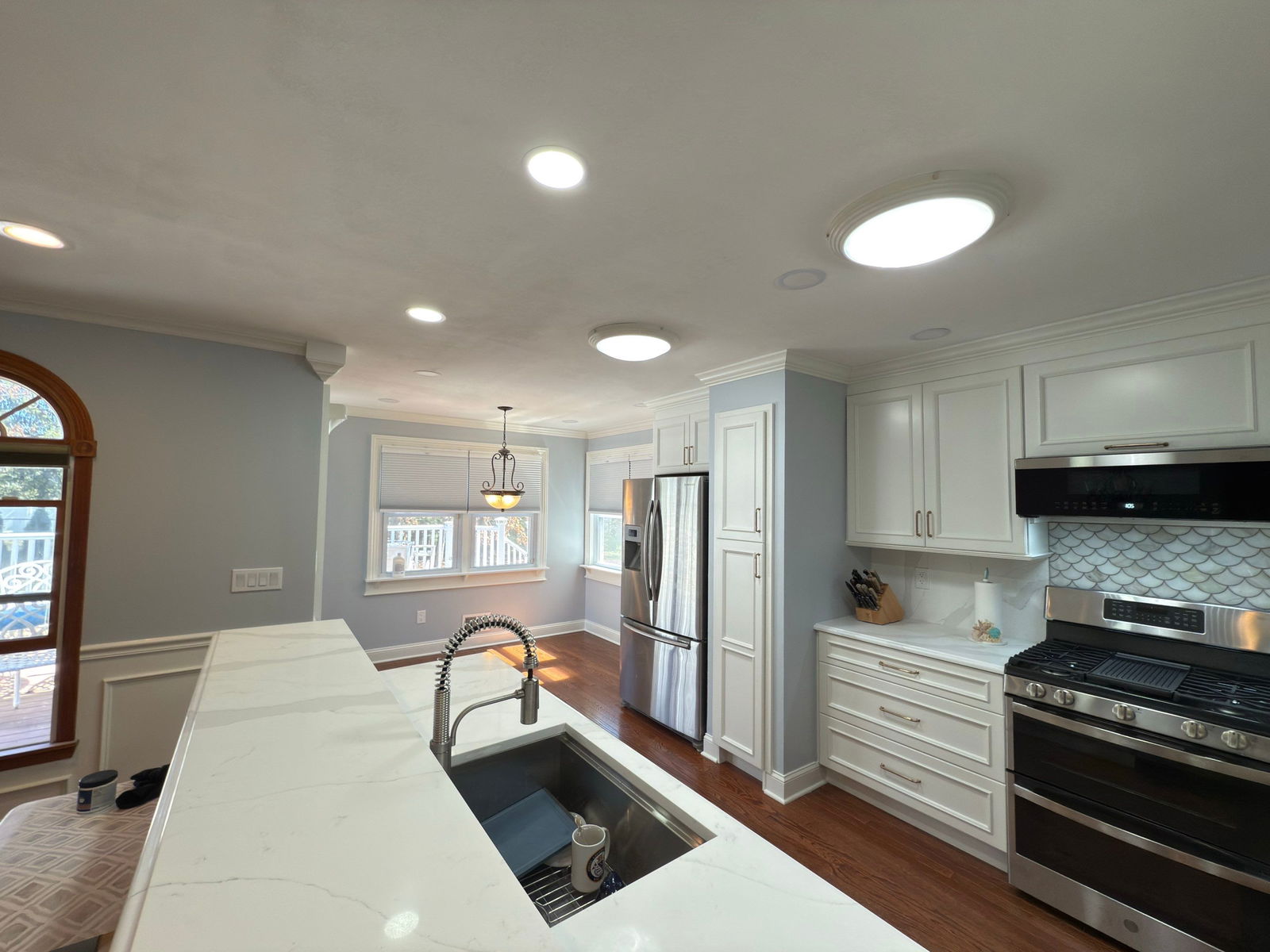
- Kitchen and bath first: buyers weigh kitchens and baths heavily, and these rooms also carry the most visible deferred maintenance.
- Finished square footage that is legal: converting an unfinished basement or attic into permitted living space adds usable area, but only if egress, ceiling height, and moisture control are handled.
- Bathroom count and function: adding a basement bath or converting a tub to a shower can matter more to a buyer than cosmetic upgrades upstairs.
- Code and infrastructure: electrical service size, plumbing material, and insulation are not glamorous, but they are what an inspection report and an appraiser look at. Budget for them before finishes.
- Moisture and envelope: NJ freeze-thaw and humid summers punish poorly detailed basements and exterior walls. Waterproofing and ventilation done first protect every dollar spent after.
- Permit and inspection path: township construction offices require permits and inspections for structural, electrical, plumbing, and most finished-space work.
- Finish level relative to the house: a high-end primary bath in a house with an original 1980s kitchen is money out of sequence. Bring the weakest major room up to the house's overall level before upgrading the strongest.
How to estimate your own return before you commit
Start with three comparable sales in your town — not the county, your town — and note which rooms were updated and to what level. Then list what your house lacks relative to those comps: a dated kitchen, one full bath where comps have two, unfinished basement square footage, or an aging electrical panel. That gap list, not a national percentage, is your ROI map.
Projects that tend to hold value in New Jersey
These scopes recur in NJ homes because they address both buyer expectations and the realities of older housing stock.
- Kitchen updates that keep the existing footprint and upgrade cabinets, counters, lighting, and ventilation — see kitchen remodeling.
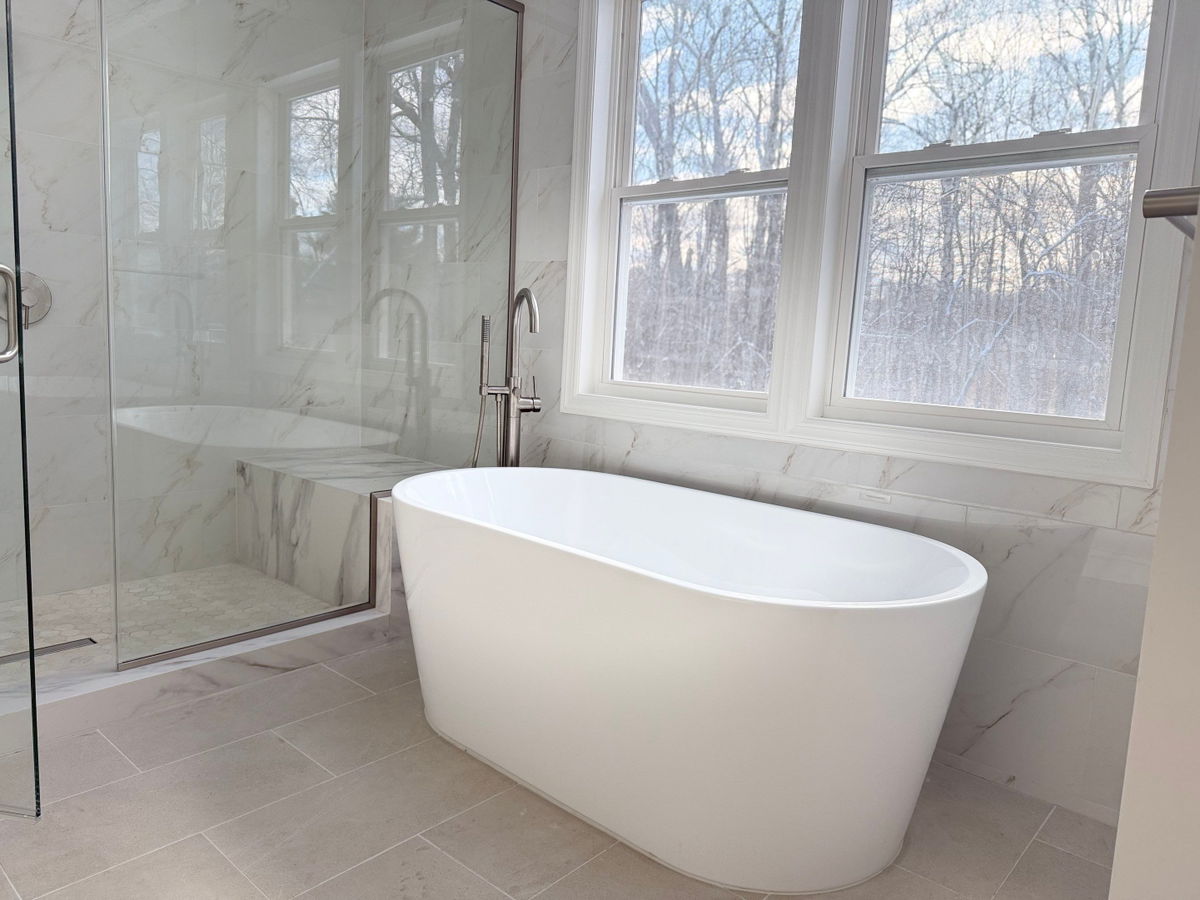
- Bathroom updates that fix function and moisture first, then finishes — see bathroom remodeling.
- Tub-to-shower conversions that modernize an aging hall or primary bath without moving walls — see tub-to-shower conversion.
- Walk-in shower installation where accessibility and resale both matter — see walk-in shower installation.
- Basement finishing that adds permitted, dry, well-lit living area rather than raw storage — see basement finishing.
- Egress windows where a basement bedroom or living space requires a legal second means of escape — see basement egress window.
- Whole-home updates when several systems and rooms are behind at once and sequencing them separately would cost more — see whole-home renovations.
Where remodeling budgets lose value
The most common value leaks are predictable. Overbuilding finishes past the neighborhood ceiling is the biggest: a luxury kitchen in a house surrounded by original kitchens rarely returns the premium. Skipping permits to save time creates undocumented work that can surface at appraisal or sale.
How to compare contractor bids on value, not just number
Bids for the same room can differ widely because they include different scopes, not because one contractor is overcharging. Ask each bidder to itemize what is included: permit pull, electrical and plumbing allowances, demolition and disposal, insulation, and finish allowances by product line.
Common mistakes to avoid
Do not choose a project by national payback percentage alone; check it against your town's comps. Do not finish a basement before waterproofing and ventilation are resolved. Do not move plumbing and walls for cosmetic reasons when the layout already works. Do not skip permits to save weeks, because undocumented work can cost more at sale than the permit would have.
Bottom line
Remodel ROI in NJ comes from matching scope to your town's comps, fixing infrastructure before finishes, and keeping the work permitted and documented. Kitchens, baths, and legal finished square footage carry the most weight, but only when they are sequenced correctly and not overbuilt past the neighborhood.