Which sheen for each room
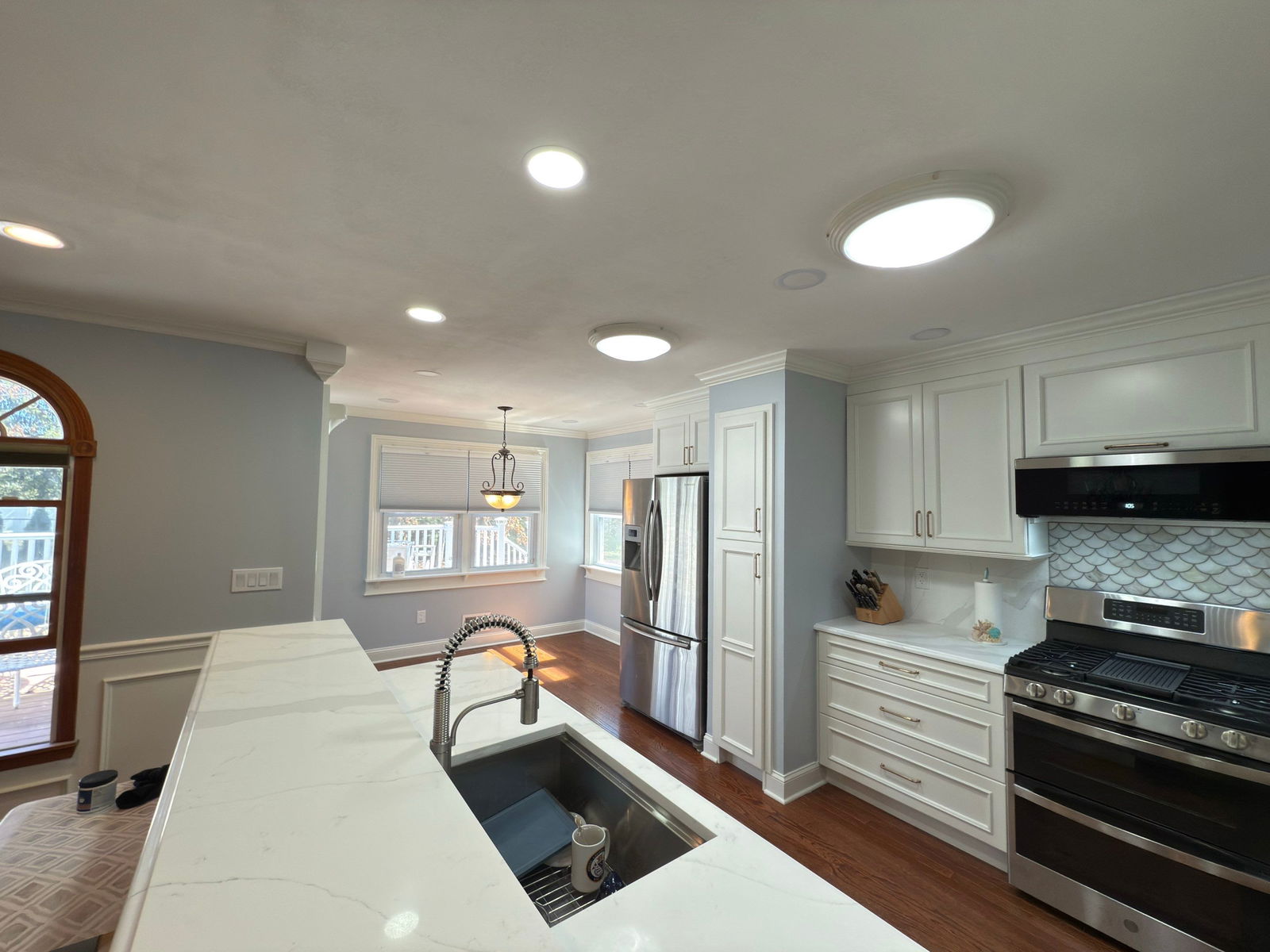
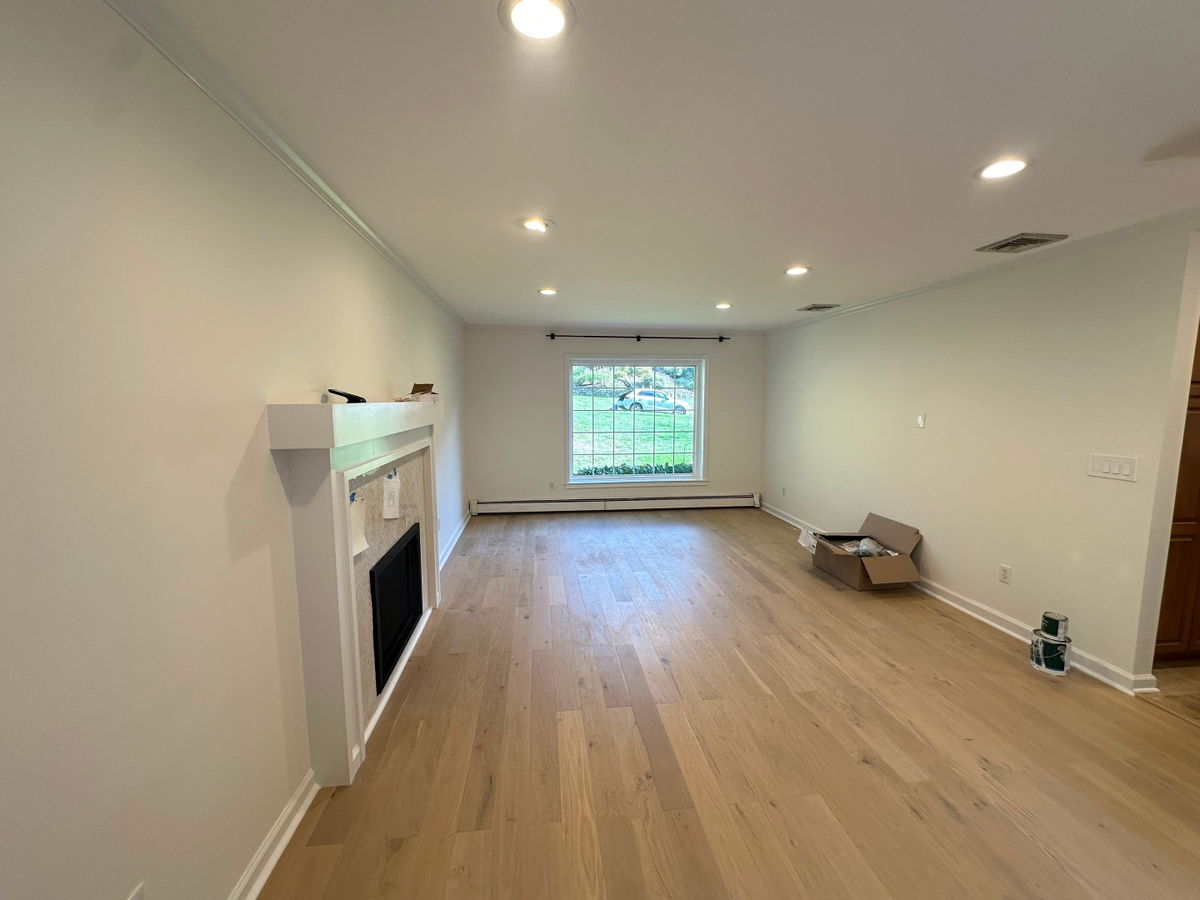
Match sheen to use and surface. Use matte or flat on ceilings and low-traffic walls where you want to hide texture. Eggshell works well in living rooms and bedrooms for a balance of washability and low reflection. Satin is suited for hallways, kitchens, and family rooms where walls need tougher finishes.
Quick sheen decision checklist
- Ceilings: low-sheen flat or matte to conceal imperfections.
- High-traffic walls: satin for durability and easy cleaning.
- Low-traffic walls: eggshell for subtle texture with light scrubbability.
- Trim and doors: semi-gloss for durability and simple cleaning.
- Bathrooms and kitchens: semi-gloss on trim, satin or semi-gloss on walls depending on humidity.
How sheen affects appearance and maintenance
Higher sheen reflects more light, makes colors look brighter, and highlights surface flaws. It also cleans better. Lower sheen hides imperfections but is harder to clean without removing paint. When budgeting or comparing bids, factor in surface prep needs: smoothing, patching, and priming add time and labor more than the paint sheen itself.
Selection and application steps
- Inspect surfaces for cracks, stains, and texture variations to determine prep level.
- Decide on sheen per room based on traffic, moisture, and desired look.
- Prime problem areas—stains, patched drywall, or raw wood—before topcoat.
- Test samples in the room on different walls and check in morning and evening light.
- Schedule painting as part of an interior renovation to coordinate trades and reduce repeat disruption.
Common homeowner mistakes to avoid
Picking sheen solely by name without testing in your lighting, using high-sheen on textured walls that highlight flaws, and skipping primer on patched surfaces are common errors. Also avoid mixing sheens mid-room without a clear visual plan; transitions look better on moldings or with deliberate color breaks.
When to call a pro
- Large rooms or whole-house projects that need scheduling and coordination with other trades.
- Surfaces with water damage, mold, or extensive patching that require remediation.
- If you want consistent sheen transitions between walls, trim, and cabinetry.
- When you prefer a finish-back guarantee from a contractor and documented prep work.
How sheen choice affects renovation planning
Sheen influences prep time and touch-up needs. High-sheen areas may require extra sanding and priming for a smooth result, which affects timeline. When planning an interior renovation, specify sheens for each room up front so bids align and contractors can order correct finishes and schedule required curing times.
Linking finishes to renovation services
If you’re planning wider interior work that includes repainting, coordinate paint selection with other scope items like trim replacement or drywall repair. For coordinated interior updates, see our interior renovation options at /services/interior-renovations and bring sheen decisions to the initial walkthrough so they are included in the estimate.
What homeowners should verify with any contractor
- Written scope listing exact sheens for each room and surface.
- Surface-prep steps: patching, sanding, priming and number of topcoats.
- Sample approval process and how color/sheens are confirmed on-site before full application.