Quick overview: NJ building permit process
In New Jersey most structural, electrical, plumbing, mechanical, and major exterior work requires a municipal or county permit and inspections under the New Jersey Uniform Construction Code (UCC). The permit process verifies code compliance, prevents unsafe work, and documents changes to your property.
Projects that commonly require permits
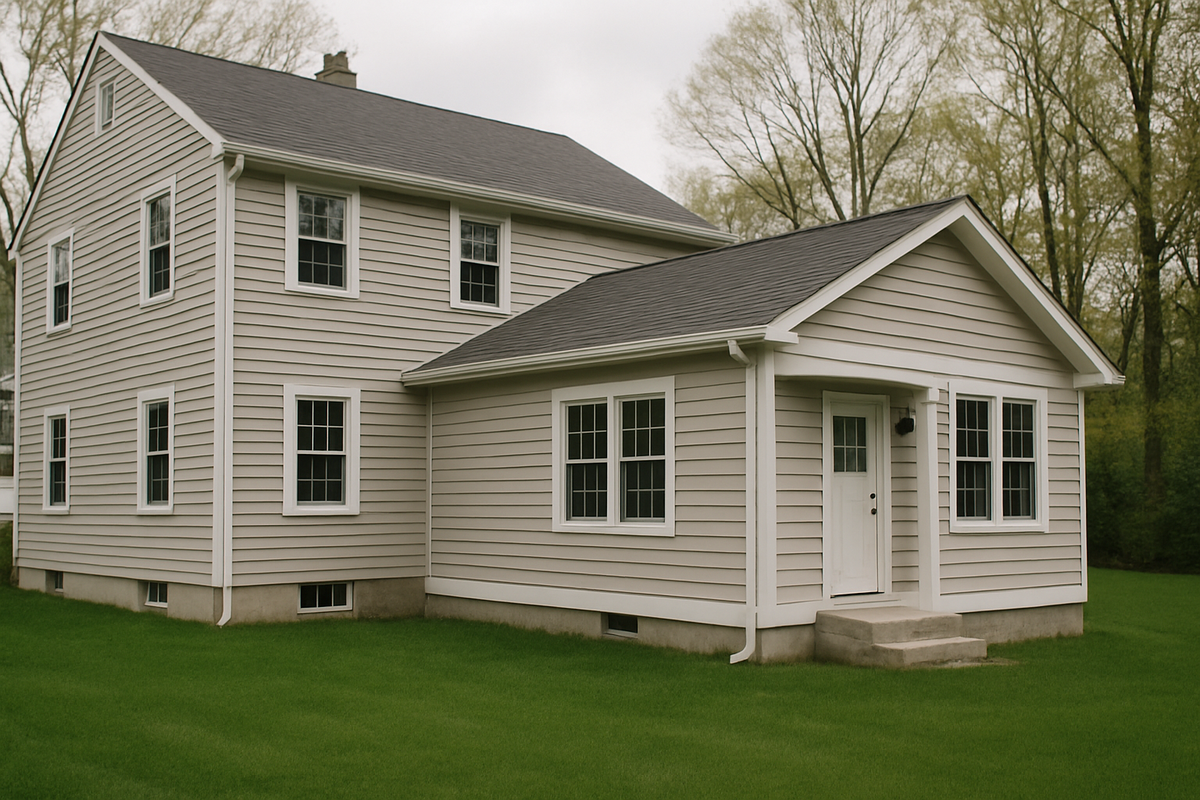
- Additions, new framed walls, or moving load-bearing members
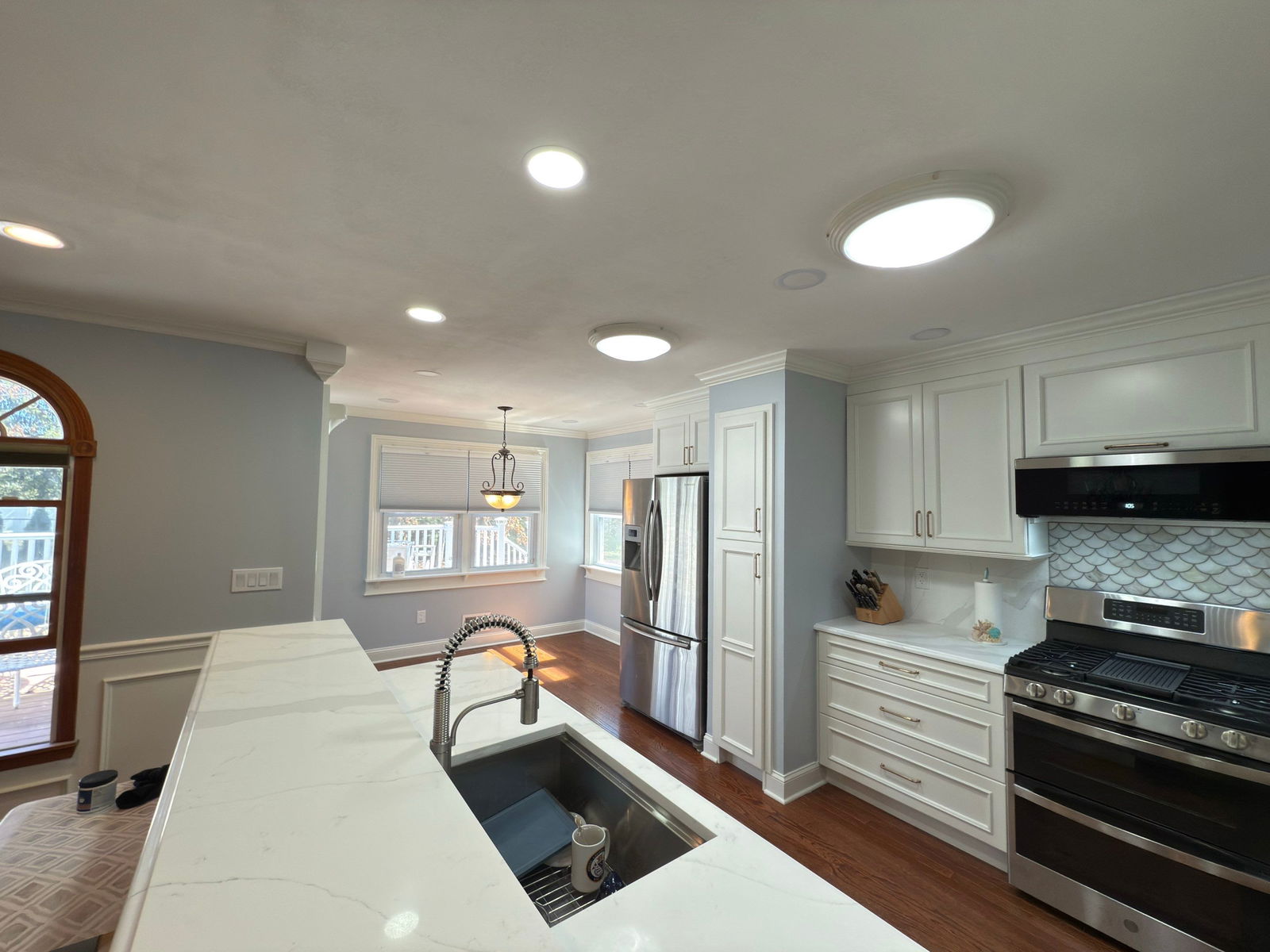
- Full bathroom or kitchen remodels with plumbing relocation
- Major electrical upgrades, new panels, or re-wiring
- HVAC system replacement when ductwork or fuel lines change
- Detached accessory buildings over a certain size (varies by town)
- Finished basements when adding egress windows, bedrooms, or new plumbing
- Roof structural work or replacing roof framing
- Decks that attach to the house or exceed local size thresholds
- Driveway changes tied to drainage or curb cuts
When you might not need a permit
Small cosmetic updates—painting, new flooring, replacing cabinets without moving plumbing or electrical—often do not require permits. Minor repairs like replacing a toilet or faucet with same-location fixtures sometimes qualify as exempt. Always check with your local building department first; municipal rules and thresholds vary.
Who files permits and who goes to inspections
A homeowner may file for a permit in many towns, but contractors typically submit on behalf of clients because they understand the documentation and trade-specific requirements. After permit issuance, municipal inspectors visit at defined stages—footing/foundation, framing, rough mechanical/electrical/plumbing, insulation, and final—to verify compliance.
Typical NJ permit process for a remodeling project
- Scope and documents: Contractor or homeowner prepares drawings, scope, and technical details. Simple jobs may need a basic application; structural changes usually need stamped plans.
- Submit: File application with your municipal construction office (online or in person) with required fees and contractor info.
- Review: Local officials review plans for code compliance; they may request clarifications or changes.
- Approval and permit issuance: Once approved you receive the permit and can start work.
- Inspections: Schedule required inspections at each milestone. Do not conceal work before passing the corresponding inspection.
- Final sign-off: After final inspection the inspector issues a certificate of occupancy or final approval for the permitted work.
Review timelines and common delay causes
Review times vary widely by municipality and project complexity. Simple permits can be issued in days to a few weeks; larger projects or those requiring engineering review can take several weeks to months. Common delays include incomplete applications, missing plans or signatures, zoning variances, required engineering reports, or backlogs at the municipal office.
Typical costs and budgeting considerations
Permit fees are set by municipalities and depend on project type and valuation; expect separate fees for building, electrical, plumbing, and mechanical permits. Beyond fees, budget for plan preparation (architect or engineer), inspection fees, possible expedited review charges, and adjustments if the municipality requests plan changes.
What inspectors check during common inspections
Inspectors verify work meets code and approved plans: footings and reinforcement placement, proper framing and fire blocking, correct electrical wiring and grounding, plumbing venting and drainage, HVAC clearances and combustion air, and compliant egress and insulation.
Penalties for skipping permits
Skipping permits risks stop-work orders, municipal fines, required removal or rework, and complications when selling the house (buyers or lenders often require proof of permits). Unpermitted work may not be insurable or may cause delays in closing. If an inspector discovers unpermitted changes, you may need to apply retroactively and correct or expose work for inspection.
How Home Concepts Construction helps with the NJ building permit process
- We prepare and submit permit applications and coordinate required trade documents.
- We schedule inspections and ensure work is ready at each stage to pass review.
- We flag zoning and variance issues early and advise when an engineer or architect is needed.
- We keep permit records and inspection reports as part of the project file for your closing or resale.
Related pages and local resources
Local process notes homeowners should expect
- Municipal rules vary—call your local construction office before starting work.
- An approved permit does not replace separate HOA or historic district approvals where applicable.
- Keep a copy of permit documents and inspection records with your property files.
Next step: schedule a walkthrough
If you’re planning work, schedule a site walkthrough so we can confirm scope, identify likely permits, and outline a permit timeline and cost estimate. We’ll list the permits you’ll need and who will submit them. Contact us to arrange a consultation or on-site review.