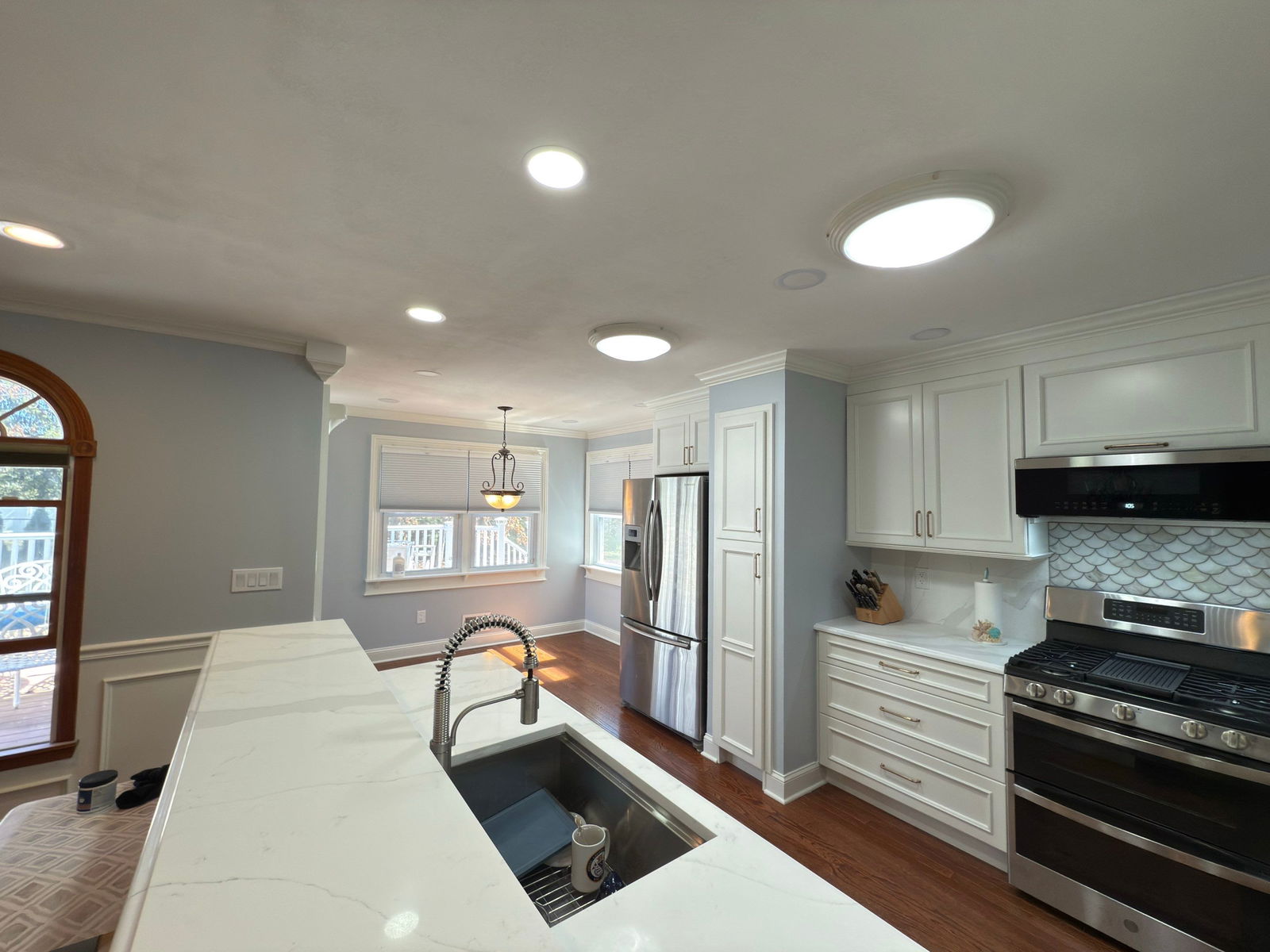
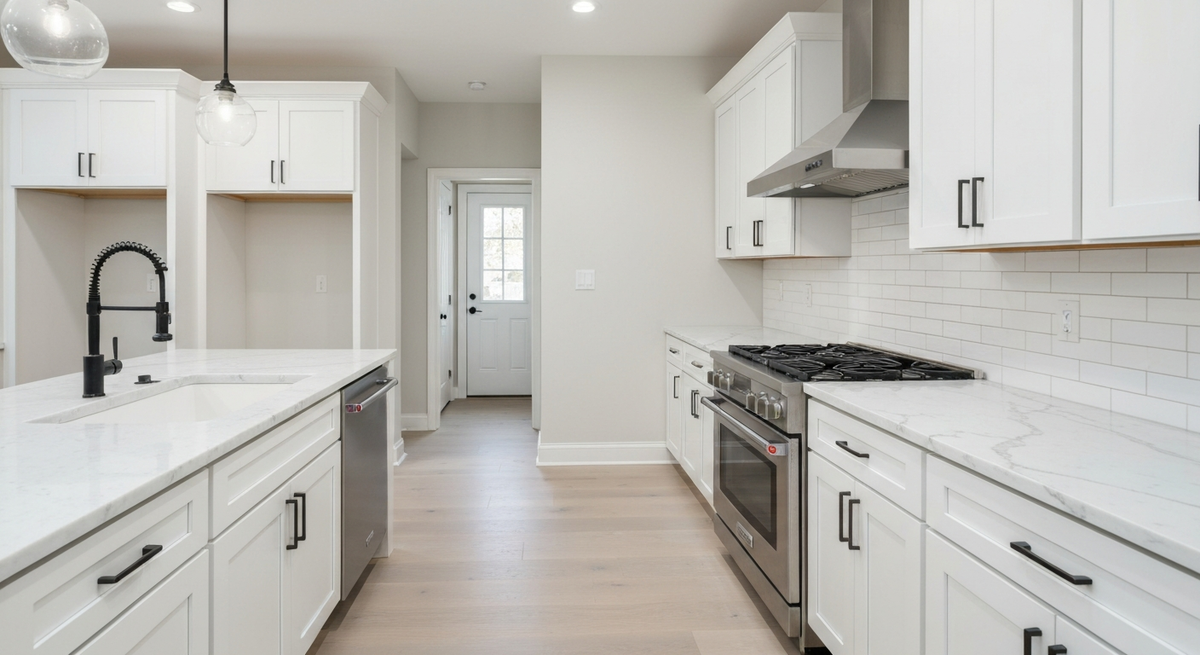
Overview: how to use this cost guide
This guide breaks down the main drivers of kitchen remodeling cost in Millington, NJ and explains how contractors price work. It focuses on decisions you control (layout, materials, fixtures), site and regulatory factors common in Millington, and how to compare bids to choose a contractor. When you’re ready for numbers, the final step is a site visit and written estimate.
Primary cost drivers homeowners control
- Scope and layout: full layout changes or moving plumbing/electrical increases labor and permits.
- Cabinetry approach: stock, semi-custom, or fully custom affects materials and shop time.
- Countertops and finishes: material selection influences procurement lead time and install complexity.
- Appliances and fixtures: choices affect rough-in needs and electrical/plumbing upgrades.
- Flooring selection and underlayment: removal, leveling, and subfloor work add labor.
Site, code and hidden-condition factors that add cost
- Existing conditions: water damage, mold, or rotten framing discovered after demo adds repair work.
- Structural changes: removing or moving load-bearing walls requires engineering and permits.
- Electrical and plumbing upgrades: older homes may need service, circuit, or piping updates.
- Access and staging: narrow driveways, long carry distances, or limited parking slow crews.
- Permits and inspections: local permit fees and multi-stage inspections affect schedule and scope.
How contractors typically develop a price
- Initial phone consult: basic scope, timelines, and whether a site visit is needed.
- On-site walkthrough: measure, inspect existing conditions, confirm access and utilities.
- Scope write-up: contractor lists demolition, carpentry, mechanical, finishes, and allowances.
- Bid or proposal: line-item or fixed-price proposal with exclusions and contingency notes.
- Estimate review: homeowner reviews allowances, finishes, and change-order process before signing.
How to budget and compare bids without using price anchors
Ask each contractor for the same defined scope and the same specification for cabinets, countertops, appliances and flooring. Compare line items and how bids handle unknowns: is there a contingency, how are hidden-condition repairs handled, and what warranty or post-completion support is described?
Timeline factors and living through a kitchen remodel
Typical timeline elements include permit review times with your municipality, material lead times (cabinets, countertops, major appliances), and any required inspections. Expect work to be phased: demo, mechanical rough-in, drywall and paint, cabinet and countertop install, then finish trades.
What to confirm before hiring
- A written scope that lists materials, brands, and allowances.
- Clear change-order process and how unforeseen conditions will be priced.
- Project timeline with milestone dates and inspection responsibilities.
- Proof that the contractor carries required insurance and provides local references.
- A final walk-through list and punch-list completion plan.
Common upgrade choices and why they matter
- Open-plan layout: improves flow but can add structural and finishing costs.
- Full cabinet replacement vs refacing: replacement solves hidden wear; refacing limits demo.
- Countertop material: durability and maintenance trade-offs affect lifetime value.
- Lighting and electrical: adding circuits and fixture wiring improves functionality.
- Floor replacement: coordinate transitions and subfloor prep to avoid callbacks.