Home Concepts Construction

Blog

How much does a whole home renovation cost guide NJ homeowners

A practical planning guide for New Jersey homeowners: what affects price, how to budget, and next steps when hiring a contractor.

Overview: what this guide covers

This guide helps NJ homeowners plan a whole-home renovation by explaining the major cost drivers, realistic budget ranges, timeline expectations, the typical contractor process, and how to minimize living disruption. Use it to compare scope options and decide when to get detailed estimates.

Primary cost drivers to understand

  • Scope and finishes: full layout changes, high-end fixtures, or structural work raise cost quickly.
  • Square footage and work concentration: renovating kitchens and bathrooms costs more per sq ft than open living areas.
  • Structural and code work: foundation, roof, HVAC, electrical, or plumbing upgrades add both cost and time.
  • Permit and inspection requirements: local municipalities in NJ have different permit fees and review times.
  • Site access and logistics: narrow streets, parking limits, or required scaffolding add labor and equipment costs.
  • Hidden conditions: asbestos, lead paint, mold, and unexpected framing or subfloor issues increase budgets.

Budget guidance and realistic ranges

Whole-home renovation costs vary widely with scope and home condition. As a planning-level rule: modest cosmetic-heavy projects typically start at lower totals, while full gut-and-rebuild scopes with structural changes or high-end finishes reach substantially higher. For initial planning, get a room-by-room rough budget, then refine with contractor walkthroughs and trade estimates.

How to break down your budget (practical)

Allocate your overall budget into major categories: design and permits, demolition and disposal, structural and systems upgrades (roof, HVAC, electrical, plumbing), finishes (kitchen, baths, flooring, paint), windows and doors, and contingency. A 10–20% contingency is common to cover unknowns found during demolition.

Typical contractor process for a whole-home renovation

  • Initial consultation and walkthrough: contractor inspects the house, documents scope, and lists known issues.
  • Preliminary estimate and scope memo: high-level budget ranges and recommended priorities.
  • Design and final scope: drawings, selections, and permit-ready plans where required.
  • Permits and ordering long-lead items: submit permits, order windows, cabinets, and specialized materials.
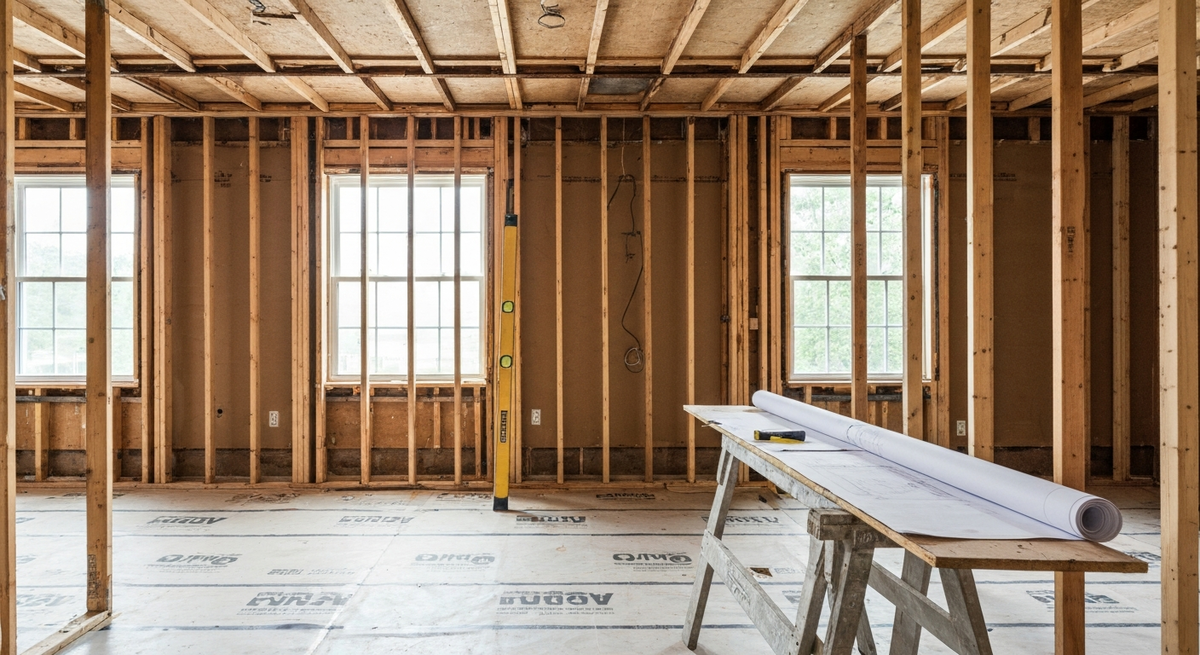
  • Demolition and rough-in: gut work, structural adjustments, and rough mechanical/electrical/plumbing.
  • Inspections and enclosure: inspections for rough work, then insulation, drywall, and exterior closures.
  • Finishes and commissioning: trim, paint, cabinetry, appliances, final systems tie-in, and punch list.
  • Final inspection and walk-through: final approvals, corrections, and homeowner orientation.

Timeline expectations and common delays

A whole-home renovation timeline depends on scope and permit speed. Simple cosmetic projects can be measured in weeks; full gut renovations typically take several months. Common delays stem from permit backlog, long-lead materials, inspection schedules, and unanticipated structural or hazardous-material remediation. Build buffer time into your schedule and coordinate with your contractor early.

Ways to reduce cost and disruption

  • Phased work: remodel one area at a time to spread cost and keep parts of the home usable.
  • Keep existing layout where possible: moving full bathrooms or kitchens increases plumbing and electrical expense.
  • Buy standard-size cabinets and windows: custom sizes add lead time and cost.
  • Plan for long-lead items early: order cabinetry, appliances, and specialty items during design.
  • Clear access and staging areas: efficient jobsite access reduces labor hours and change orders.

What to expect from a reputable contractor

  • Detailed written estimates and a clear scope of work.
  • Line-item budgets for material and labor, and documented change-order process.
  • Local permitting knowledge and coordination with municipal inspectors.
  • Regular scheduled updates and a single point of contact for decisions.

Related services and local pages

Next step: schedule a walkthrough

To turn a planning estimate into a reliable budget, schedule a contractor walkthrough. Bring a prioritized list of must-haves and concerns so the contractor can flag likely cost and schedule impacts. A written scope after a walkthrough is the best way to move from planning to firm pricing.

FAQ

Frequently asked questions

How much should I budget for a whole-home renovation in New Jersey?

Budget depends on size, scope, and finishes. Use a room-by-room rough budget and include a 10–20% contingency. Start with a contractor walkthrough to convert planning ranges into firm estimates tailored to your house and desired finishes.

How long does a whole-home renovation take in NJ?

Timelines vary: minor cosmetic updates can be a few weeks; full gut-and-rebuild projects commonly take several months. Permit turnaround, inspections, and long-lead material deliveries are frequent sources of delay. Plan for schedule buffers and regular status updates.

Can I live in my house during a whole-home renovation?

You can for phased or partial renovations, but full gut projects are disruptive. Expect noise, dust, and temporary shutdowns of systems (hot water, HVAC, electricity) during major work. Discuss staging, temporary facilities, and site safety with your contractor before work starts.

What should I bring to a consultation to get an accurate estimate?

Bring your prioritized wish list, photos, any existing plans, and a clear idea of your timeline and budget constraints. Share known building issues (age of systems, previous renovations, known hazards) so the contractor can prepare questions and a realistic scope.

Related services

Ready to start?

Tell us about your project. We’ll tell you what it actually takes.

No pressure, no obligation. We’ll walk through what’s worth doing first, what can wait, and what to watch out for — before anyone talks contracts.

Licensed & Insured · New Jersey Home Improvement Contractor

CallBookEstimate