Home Concepts Construction

Blog

How much does a bathroom renovation cost guide NJ

Practical planning advice for New Jersey homeowners deciding whether to remodel. Learn cost drivers, preparation steps, living-through-work tips, and the next step to get a local walkthrough.

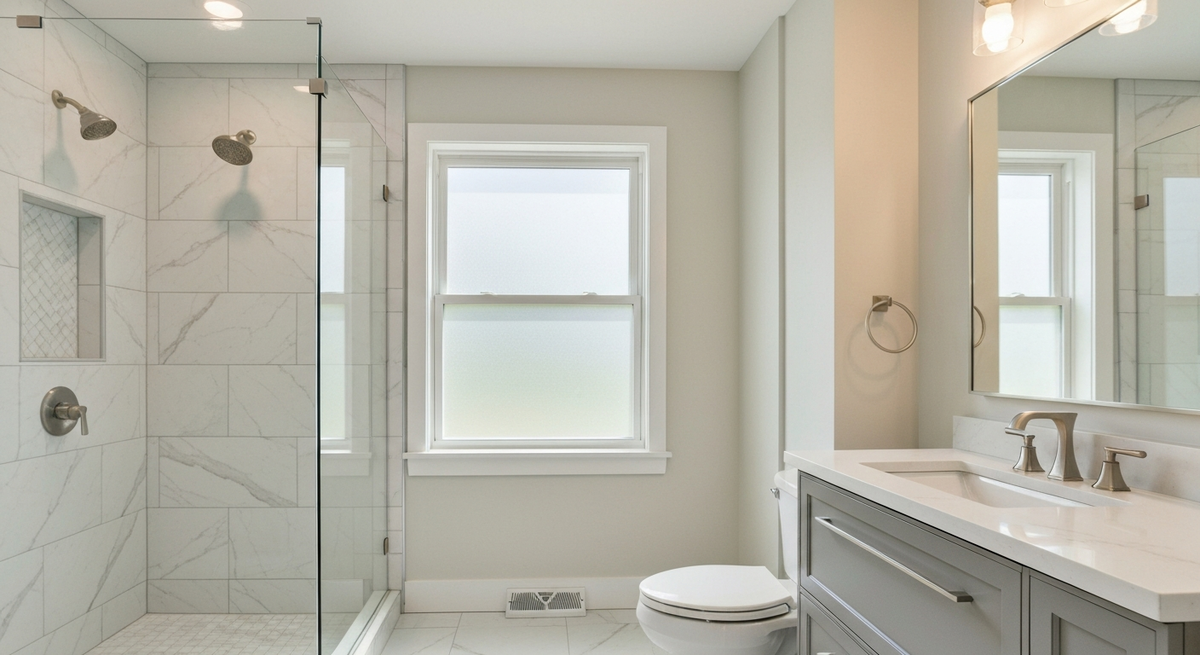
Avoid common small bathroom remodel mistakes in New Jersey — Home Concepts Construction, New Jersey home remodeling

Overview — what this guide covers

This guide helps NJ homeowners understand the decisions that affect bathroom renovation costs and how to prepare before hiring a contractor. It focuses on the planning stage: defining scope, prioritizing needs, estimating budget impact, and arranging a local site visit. Use it to compare options, reduce surprises, and plan a consultation.

How contractors think about cost

Contractors break a bathroom project into scope items: demolition, rough-in plumbing and electrical, framing and drywall, finishes (tile, fixtures, cabinetry), fixtures and fittings, ventilation, and final trim. Labor, materials, and site conditions are the three primary cost drivers; permits, inspections, and access also change the estimate.

Common budget decision points

  • Replace fixtures only vs. full gut and reconfigure layout
  • Keep existing plumbing locations vs. moving drains and supply lines
  • Standard vs. custom cabinetry and countertops
  • Basic tile and shower surround vs. high-end stone or custom tile work
  • Prefabricated shower stalls vs. fully tiled shower pan
  • Extent of electrical upgrades (lighting, GFCI, ventilation, heated floors)
  • Accessibility features (curbless showers, grab bars) vs. standard bath
  • Permit and inspection costs — factor into planning early

How to plan your budget without fixed prices

Rather than relying on a single number, plan by scope tiers: cosmetic refresh (fixtures and paint), mid-level remodel (new tile and fixtures, minor layout changes), and full gut (structural, layout relocation, custom finishes). For each tier, list must-have items and optional upgrades. Get itemized estimates from at least two contractors so you can compare labor and material allowances.

Site conditions and local factors that increase cost

Older homes can hide problems: rot behind tiles, subfloor replacement, outdated plumbing or knob-and-tube wiring, and non-compliant ventilation. Tight spaces, second-floor bathrooms, limited driveway or street access, and condominium rules for work hours or insurance requirements add time and cost. Check local permit requirements and historic-district restrictions early.

Planning and decision process

  • Initial research: gather inspiration photos, list must-haves, and identify non-negotiables.
  • Pre-qualification: verify contractor availability, insurance, and typical work areas.
  • On-site walkthrough: contractor inspects plumbing, framing, and structural access — request an itemized scope.
  • Compare bids: review line-item differences, ask about allowances for fixtures and tile.
  • Schedule and prep: set start date, confirm permit timeline, and agree on communication protocol.
  • Pre-construction checklist: move personal items, plan temporary bathroom access, and document existing conditions.

Timeline considerations (planning, permitting, and build)

Timelines vary with scope, permit lead times, and subcontractor schedules. A cosmetic refresh takes less time than a full gut and reconfiguration. Allow extra days for material lead times (tile, fixtures, custom cabinets), inspections, and unexpected discoveries once demolition begins. Discuss a phased schedule with your contractor to limit disruption.

Ways homeowners reduce cost or disruption

  • Keep existing plumbing and drain locations when possible
  • Order long‑lead items early or choose in-stock finishes
  • Limit tile area or use prefabricated shower bases
  • Do demolition or final touch-up painting yourself if acceptable to contractor
  • Schedule work during times that minimize household impact (vacation or weekends)

Typical project scopes to discuss with your contractor

  • Cosmetic refresh: replace vanity, paint, new light fixtures, and replace toilet or faucet without moving plumbing.
  • Mid-level remodel: new shower/tub, tile floors, vanity replacement, updated ventilation, and minor layout tweaks.
  • Full remodel: remove fixtures, change layout, replace subfloor or framing as needed, full waterproofing and custom finishes.

What to ask contractors during a walkthrough

  • Can you provide an itemized written estimate and scope?
  • Who will handle permits and scheduled inspections?
  • What is your typical work crew and subcontractor lineup for bathrooms?
  • How do you protect the rest of the house from dust and debris?
  • What payment milestones do you use and what payment methods are accepted?

Interior links and local context

For project types and examples, see our bathroom remodeling and kitchen remodeling service pages to compare scope and how projects overlap: Bathroom Remodeling and Kitchen Remodeling. If you live in Short Hills or Summit, we can arrange a local site review: Short Hills, NJ and Summit, NJ.

Next step — schedule a walkthrough

Book a no-obligation on-site walkthrough to get an itemized scope and practical recommendations for your budget and schedule. A local walkthrough identifies hidden issues and produces a clearer estimate than online calculators. Contact us to set a time that fits your calendar; bring photos and a prioritized wish list.

FAQ

Frequently asked questions

How can I estimate a realistic budget before getting bids?

Build a simple scope list with must-haves and nice-to-haves, then request itemized bids from at least two contractors. Ask each contractor to separate labor and materials and to mark allowances for fixtures and tile so you can compare. Factor in permit costs and a contingency for unexpected conditions discovered after demolition.

What causes the biggest unexpected costs during a remodel?

Hidden issues behind walls or under floors — water damage, mold, rotten subfloor, old plumbing, or non‑code wiring — are common surprises. Also watch for long lead times on selected fixtures and custom elements that delay completion and increase labor overlap costs.

How disruptive is living in the house during a bathroom renovation?

Disruption depends on project scope and house layout. Cosmetic updates are minimally disruptive. Full gut projects create dust, noise, and temporary loss of bathroom access. Plan for at least one alternate bathroom, set up containment to reduce dust, and agree on working hours with your contractor to limit household impact.

What should I bring to a contractor consultation or walkthrough?

Bring photos of the existing space, a list of priorities and must-have features, and examples of finishes you like. Note any accessibility needs, budget range, and timeline constraints. Clear access to the bathroom and attic or crawlspace entry helps the contractor assess hidden conditions.

Related services

Ready to start?

Tell us about your project. We’ll tell you what it actually takes.

No pressure, no obligation. We’ll walk through what’s worth doing first, what can wait, and what to watch out for — before anyone talks contracts.

Request a Free QuoteCall (908) 363-1938

Licensed & Insured · NJ HIC

CallBookEstimate