Overview — what homeowners mean by a whole-home renovation
A whole-home renovation can mean anything from updating finishes and systems to gutting and reconfiguring layouts. For planning, break the project into permitting/design, demolition/rough work, systems and structural work, interior finishes, and final inspections. The total calendar depends on scope, permits, subcontractor availability, and how much of the house you keep livable during work.
Typical project scopes (how to classify yours)
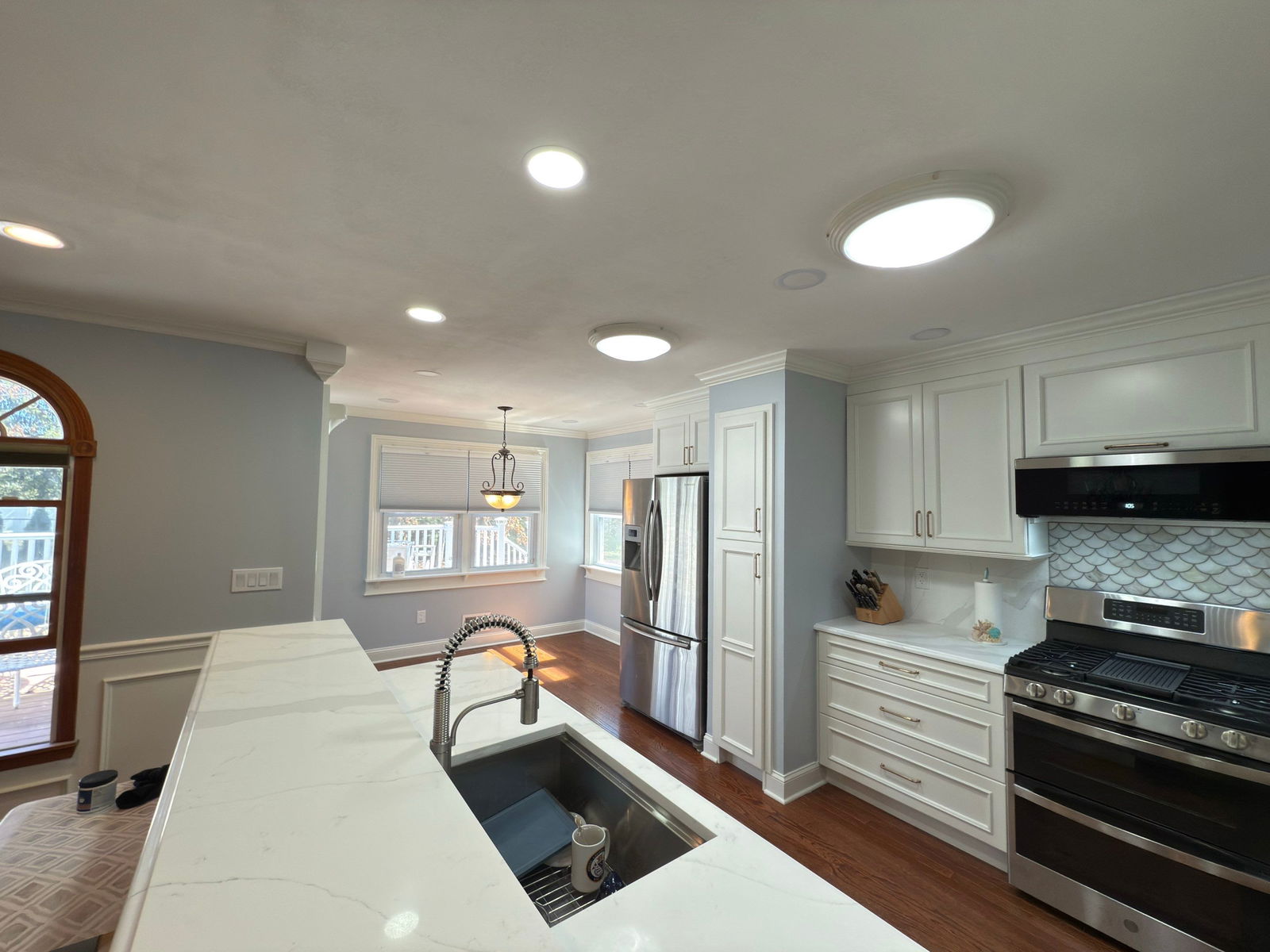
- Light whole-home refresh: new paint, trim, floors, kitchen and bathroom updates without moving walls.
- Moderate renovation: new kitchen and bathrooms, some mechanical upgrades, minor layout changes.
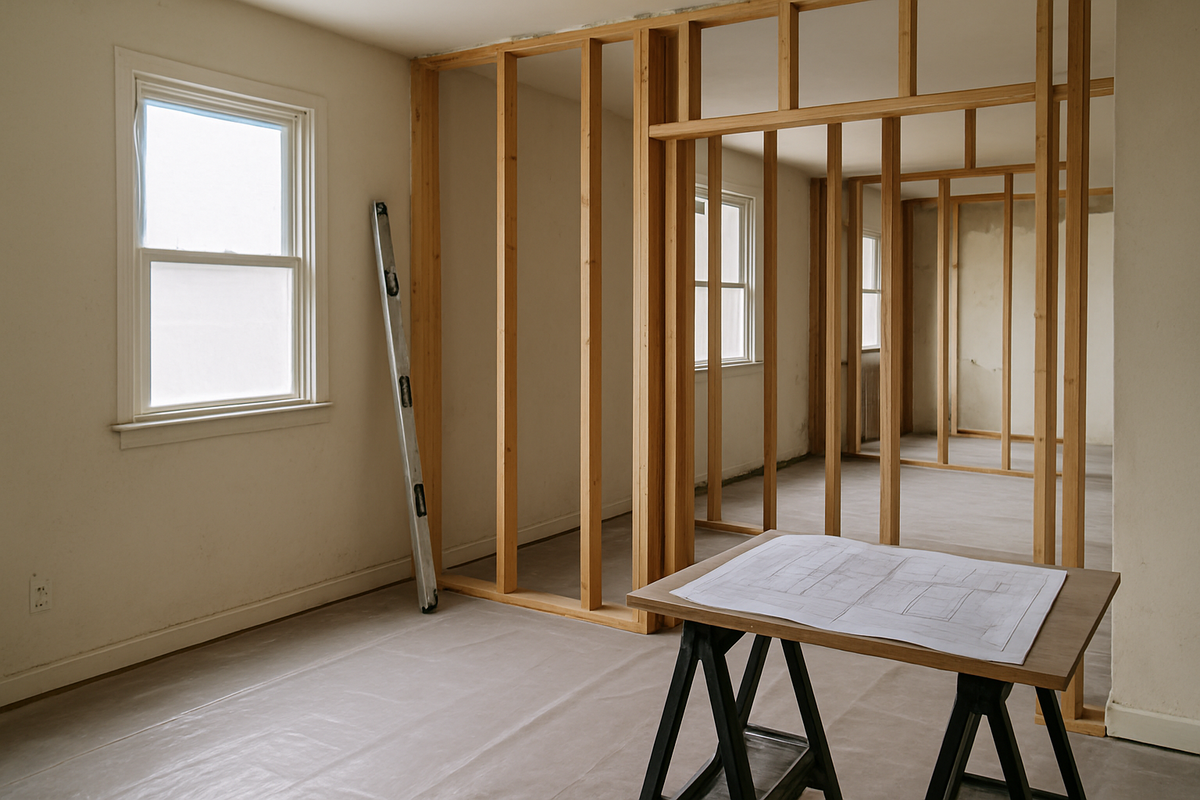
- Full gut and reconfigure: remove finishes down to studs, update plumbing/electrical/HVAC, move walls and windows.
Realistic timeline ranges by scope
Use these as planning ranges, not guarantees. Local permit queues and contractor scheduling in New Jersey towns like Short Hills, NJ and Summit, NJ affect start dates.
Estimated calendar ranges
- Light whole-home refresh: 6–10 weeks — mostly finishes and trade scheduling.
- Moderate renovation: 3–5 months — includes limited structural work and system upgrades.
- Full gut and reconfigure: 6–12 months — demolition, structural framing, full MEP replacement, and finishes.
Key factors that shorten or extend timelines
Expect variability from permitting, concealed problems, material lead times, and trade coordination. Common timeline drivers: availability of plumbers/electricians, structural engineer reports, custom appliance and cabinet lead times, and municipal inspections. Weather can affect exterior or foundation work.
Typical step-by-step process and what takes the most time
- Initial consultation and site walkthrough: 1–2 weeks to schedule, gather measurements and priorities.
- Design and estimate: 2–6 weeks depending on scope and revisions.
- Permitting: 2–12+ weeks depending on municipality and complexity.
- Procurement: 2–16 weeks for cabinets, windows, appliances, and specialty items.
- Demolition and rough carpentry: 1–6 weeks.
- Mechanical, electrical, plumbing (MEP) and structural framing: 2–8 weeks.
- Inspections and rough approvals: scheduled during MEP—can add delays if rework needed.
- Finishes (drywall, flooring, trim, paint, fixtures): 4–12 weeks.
- Final punch list and inspections: 1–3 weeks.
Budget planning tied to timeline
Budget impacts schedule: higher-end finishes and custom items take longer to procure. Allocate a contingency of at least 10–20% of your construction budget for unexpected issues uncovered during demolition. Faster schedules often cost more because they require prioritized trade booking or expedited materials.
Practical ways to reduce timeline without compromising quality
- Decide finishes early — lock selections during design to avoid procurement delays.
- Choose in-stock or semi-custom cabinets and fixtures to cut lead times.
- Coordinate permits and inspections early — submit complete applications to the local building department.
- Plan phased living — renovate one area at a time to keep parts of the home usable.
Living through a whole-home renovation in New Jersey
Decide up front whether you’ll live on-site. Living at home can add complexity: temporary kitchens, noise, dust containment, and frequent utility interruptions. Contractors can set up clean staging areas, but expect daily disruptions during demolition and high-activity trades. Off-site living shortens practical delays tied to homeowner scheduling but adds relocation costs.
What a reliable contractor will provide before work starts
- A written scope of work with clear allowances and exclusions.
- A project schedule with major milestones and estimated dates.
- A written payment schedule tied to completed milestones.
- Copies of required permits or a permit plan and inspection timeline.
How we plan a walkthrough and estimate (next step)
- Schedule a site visit to confirm scope and identify hidden conditions.
- Review priorities and budget to set a realistic phase plan and timeline.
- Provide a phased estimate and preliminary schedule so you can choose a start window.
Related services and local pages
- Kitchen remodeling — phased kitchen plans to fit whole-home schedules.
- Bathroom remodeling — coordinate bathrooms early to avoid inspection bottlenecks.
- Short Hills, NJ project info — local permit realities and timing.
- Summit, NJ project info — municipal inspection notes and typical queues.