Overview: what to expect
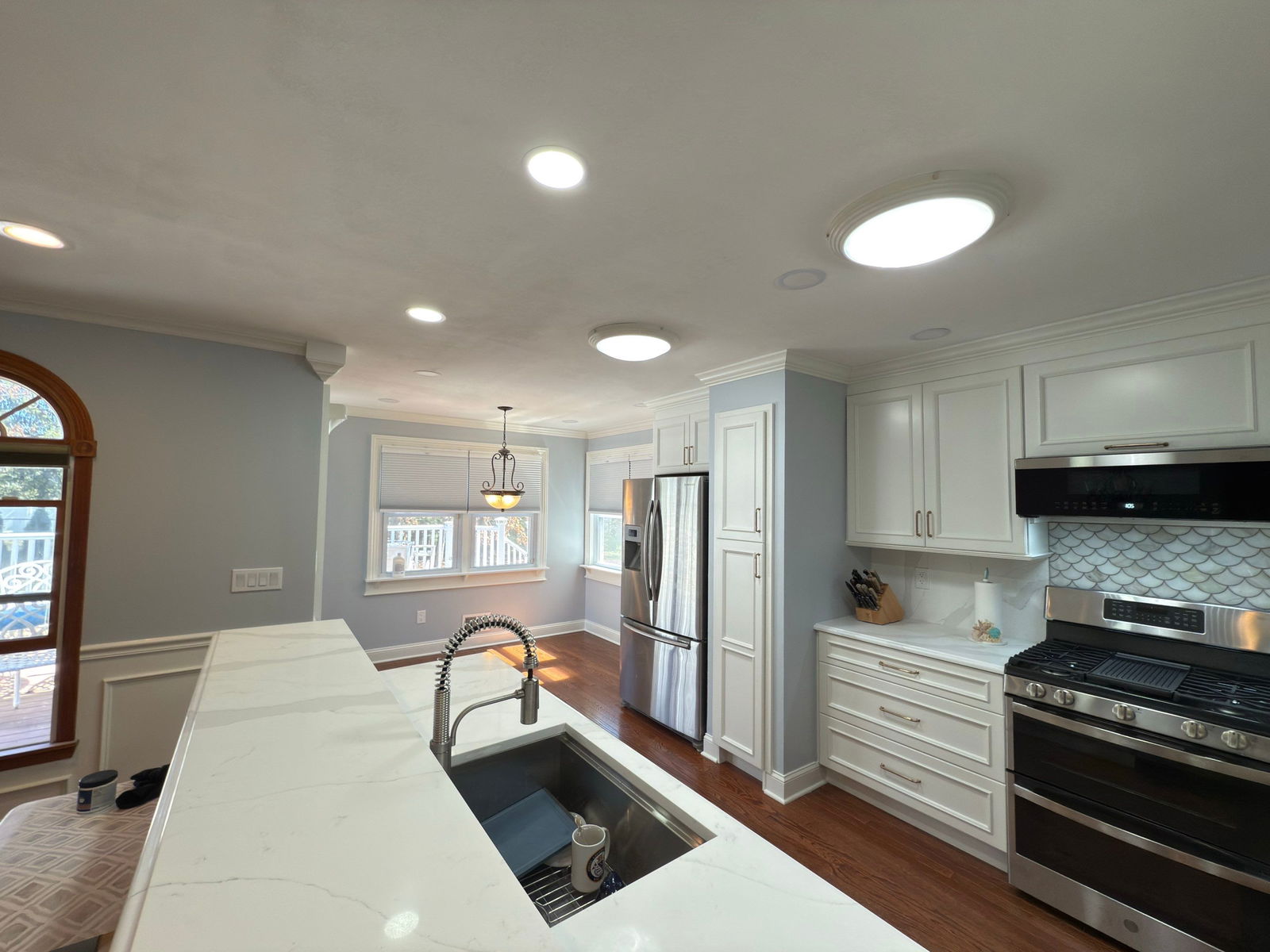
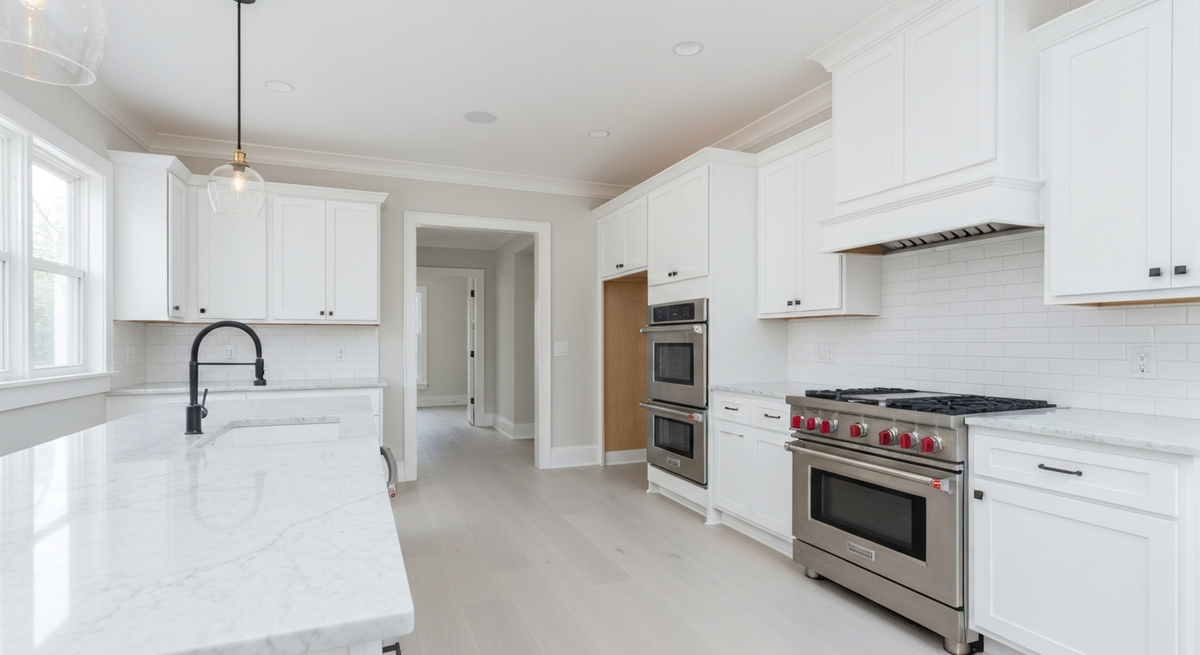
A full kitchen renovation in New Jersey typically moves through permitting, demo, rough trades, and finish work. Total calendar time depends on scope: a refresh (cabinets refaced, new counters, paint) is shorter; a full gut with layout changes and structural work takes longer. This guide helps homeowners in Short Hills, Summit, and surrounding towns plan realistic timelines and next steps.
Common project scopes and typical durations
Break projects into three buckets so you can set expectations: 1) Minor remodels (replace surfaces, appliances, light layout tweaks) — often 3–5 weeks. 2) Moderate remodels (new cabinets, counters, moderate layout changes, new floors) — commonly 6–10 weeks. 3) Full gut remodels (move walls, relocate plumbing/electrical, structural work) — often 10–16+ weeks.
Factors that add time
- Permits and inspections: municipal turnaround varies across NJ towns.
- Structural changes: moving walls or beams requires engineers and inspections.
- Plumbing/electrical relocations: adds coordination and inspection steps.
- Custom cabinets and long-lead fixtures: ordering and production delays.
- Unseen conditions: rot, asbestos, or outdated wiring found during demo.
- Supply-chain variability: appliances, stone, and specialty finishes may ship late.
- Weather-sensitive work: exterior deliveries or dumpster access can be affected by storms.
Typical project steps (week-by-week view)
- Pre-construction (1–2 weeks): final selections, contract, deposit, and ordering long-lead items.
- Permits & scheduling (2–6 weeks parallel): submit plans, revise if needed, await permits — varies by municipality.
- Demo & rough-in (1–2 weeks): remove old finishes, rough plumbing/electrical, framing changes.
- Inspections & corrections (1–2 weeks): municipal inspections for rough work; address any issues.
- Cabinet install & millwork (1–2 weeks): install cabinets, island, and trim.
- Countertops & backsplashes (1–2 weeks): template, fabricate, and install stone or alternative surfaces.
- Finish trades (1–2 weeks): flooring, paint, appliances, faucets, lighting, hardware.
- Final inspections & punch list (1 week): final municipal inspections if required and address small fixes.
How permitting affects NJ timelines
Permit timelines vary across New Jersey municipalities. Some towns return a permit in days; others take several weeks, especially if plans require zoning or engineering review. Submit complete drawings and schedules early. Ask your contractor about local permit timelines and whether they handle submissions or if you need to.
Budgeting time and money together
Time and cost track together: more changes to layout, higher-end materials, or specialty labor add both weeks and dollars. Build buffers: plan an extra 10–20% time contingency for permit or material delays and a financial contingency for unforeseen repairs. During pre-construction, lock in lead-time items first (cabinets, stone, appliances) to avoid sequencing bumps.
Ways to reduce timeline impact
- Choose in-stock or quick-ship cabinets and fixtures.
- Approve selections quickly during pre-construction to start orders.
- Schedule inspections proactively; provide clear documentation to inspectors.
- Opt for straight replacements over layout changes if timing is critical.
- Work with a contractor familiar with your town’s permit office and inspection cadence.
Local considerations for Short Hills and Summit homeowners
- Short Hills, NJ: Older homes may need lead or knob-and-tube assessments before electrical upgrades. Factor in time for remediation if needed.
- Summit, NJ: Municipal permit offices in higher-volume towns can have busy periods — plan submissions early and expect inspection appointments to require scheduling lead time.
How we reduce surprises
- Detailed pre-construction checklist so long-lead items are ordered early.
- Local municipal experience to estimate realistic permit timelines.
- Clear sequencing plan with weekly updates so you know what to expect.
- Coordination with subcontractors scheduled in advance to avoid downtime.
Living through the work: disruption and staging
Expect noise, dust, and limited kitchen access. Common ways homeowners manage: set up a temporary kitchen in another room with a microwave, mini-fridge, and hotplate; schedule work in phases to keep at least one sink usable; or arrange short-term external meal options. Discuss a dust-control and access plan with your contractor before demo.
Next step: plan a walkthrough
- Request an on-site consultation to review scope and constraints.
- Bring a wish list and priorities (must-haves vs nice-to-haves).
- Contractor documents local permit needs and provides a draft timeline and list of long-lead items.
- Approve contract and selections to begin ordering and permit submission.
Related services
For projects that touch adjacent spaces, consider matching scope: see our kitchen remodeling and bathroom remodeling pages for scope examples and service descriptions.