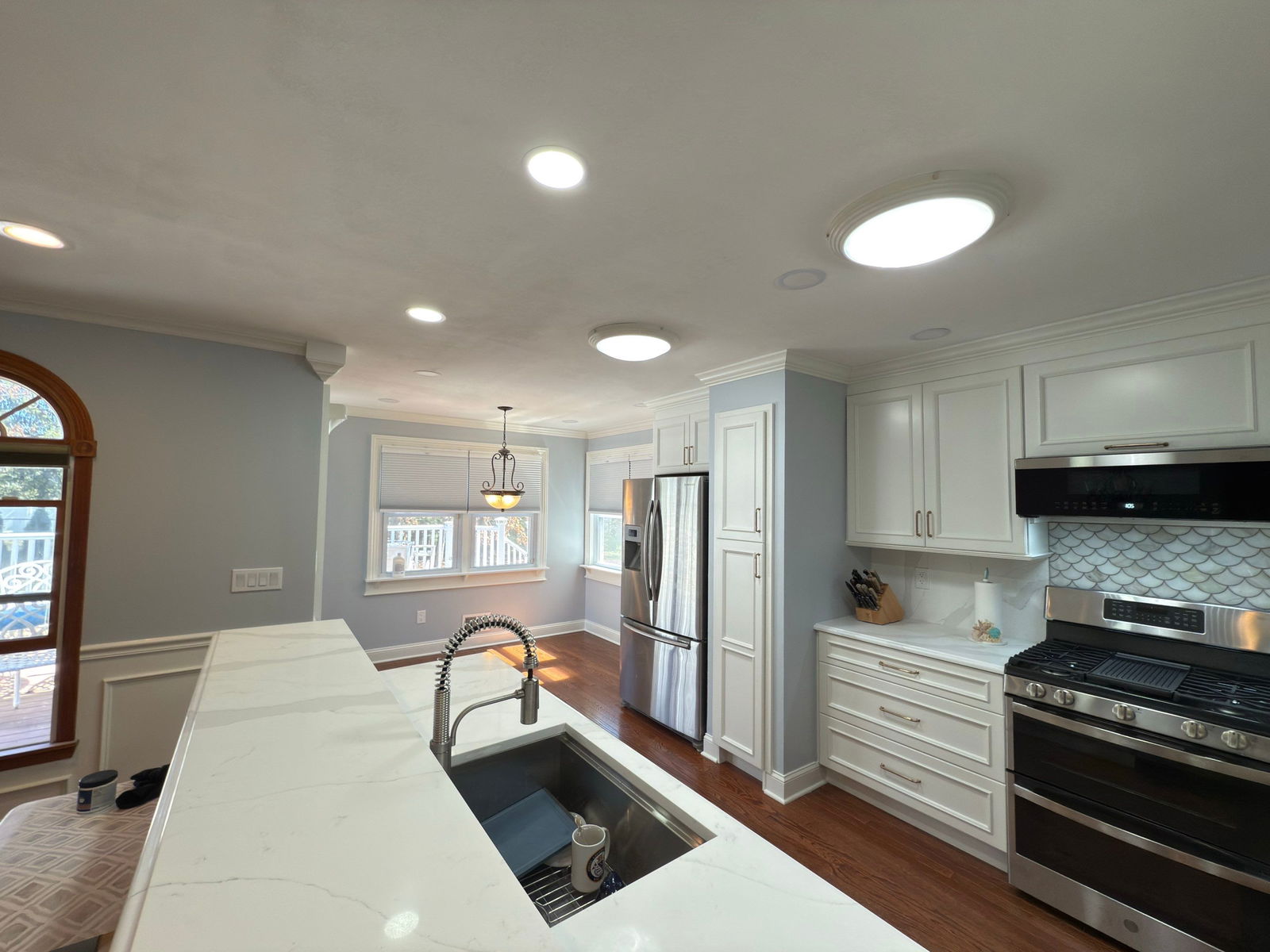
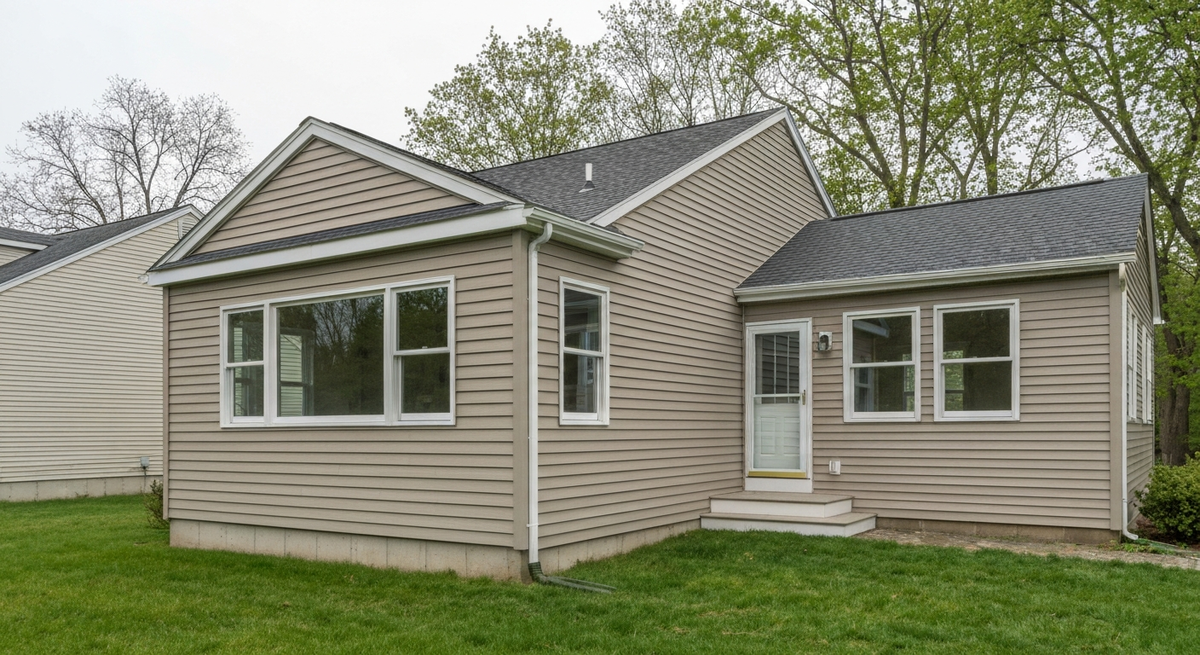
When to consider an addition versus a remodel
An addition adds square footage—new bedrooms, a bump-out, or a second-story—while a remodel reconfigures or upgrades existing space. Choose an addition when you need permanent new floor area, grade changes, or extra bathrooms that the current footprint can’t reasonably accommodate.
Key decision factors to weigh
- Space need: Will your household outgrow remodeled layout or require new rooms?
- Property constraints: Lot size, setbacks, and local zoning limit additions in many NJ towns.
- Structural complexity: Additions often need new foundations and tie-ins to existing framing.
- Budget distribution: Additions carry framing, foundation, roofing; remodels focus on finishes and systems.
- Resale impact: Adding square footage usually raises home value differently than high-end remodels.
- Living through work: Remodels can often be phased to live in place; additions may require more site disruption.
Common scenarios and recommended approaches
If you need an extra bedroom, a full bathroom, or a larger family room, an addition is usually the right move. If you want a more usable kitchen, an open layout, or to replace systems (HVAC, electrical, plumbing) while keeping the same footprint, a remodel is often more cost-effective.
Practical steps to decide on a path
- List needs vs wants: separate must-have spaces from cosmetic upgrades.
- Check lot and code: review property survey and local zoning/setback rules.
- Get a feasibility walkthrough: contractor inspects structure, foundation, and utilities.
- Estimate both options: compare a scoped remodel budget to an addition budget.
- Plan disruption: choose phasing and temporary living arrangements if needed.
- Decide with contingencies: budget 10–20% for unknowns in older NJ homes.
How costs and timelines usually differ
Additions generally cost more per square foot because they require foundations, framing, roofing, and exterior finishes; they also require longer permits and inspections. Remodels can be quicker if they don’t move major structural walls or services. Timelines vary by scope and local permit queues—factor in design time, permit approval, and weather delays for exterior work in New Jersey.
Typical trade-offs homeowners face
- Higher upfront cost vs. long-term space needs
- Longer build time vs. more usable, native layout
- Greater disruption outdoors for additions vs. interior noise and dust for remodels
- Potential for higher resale value with added square footage vs. targeted ROI on kitchens and baths
What a responsible contractor should provide
- Clear scope and line-item estimates for both addition and remodel options
- Site walkthrough and written feasibility advice tied to local codes
- Phased scheduling and a plan for living arrangements and protected access
- Coordination with engineers and permitting professionals when structural work is needed