Why this cost guide matters for New Jersey homeowners
A bathroom remodel can range widely depending on scope, materials, and site conditions. This guide breaks down the typical cost drivers in New Jersey, what to inspect before you start, and how to plan a budget and timeline that fits your house and neighborhood.
Common project scopes and what they include
- Cosmetic update: replace fixtures, paint, lighting, vanity, and tile surfaces without changing layout.
- Mid-range remodel: new vanity, tub/shower replacement, upgraded tile, improved lighting, and some plumbing or electrical updates.
- Full gut remodel: remove existing layout, replace subflooring, move drains/walls, install new shower/tub, and complete mechanical, electrical, and finish work.
- Accessibility or aging-in-place remodel: widen doorways, curbless shower, grab bars, and reinforced blocking for future accessories.
Primary cost drivers NJ homeowners should budget for
Four factors typically move a project budget more than anything else: scope (cosmetic vs. full gut), layout changes that require plumbing or structural work, material selections (tile, fixtures, cabinetry), and hidden site conditions (rot, mold, outdated wiring). Labor rates and permit requirements in your municipality also affect the final price.
Site and permit issues that add cost or time
- Hidden water damage or rot exposed when removing finishes.
- Asbestos or lead paint remediation requirements in older homes.
- Relocating drains or rerouting plumbing through concrete slabs or compact crawlspaces.
- Municipal permit cycles, inspections, and utility shutoffs that require coordination.
Practical planning steps before you hire a contractor
- Define scope: list must-haves vs. nice-to-haves and choose a rough layout.
- Set a target budget range and a hard maximum you won’t exceed.
- Gather inspiration photos, fixture choices, and an approximate size for cabinets and shower/tub.
- Schedule an on-site walkthrough so a contractor can confirm plumbing, electrical, and framing conditions.
- Request written estimates with line-item costs and a scope attachment; compare two or three contractors.
How to read and compare estimates
Estimates should separate materials and labor and call out allowances for items you haven’t selected yet (tile, vanity, fixtures). Note exclusions—such as unknown subfloor repairs or permit fees—so you can compare apples to apples. Ask for a projected timeline tied to payment milestones.
Material choices that change cost most quickly
- Tile type and size: porcelain, natural stone, and large-format tiles require different installation times and costs.
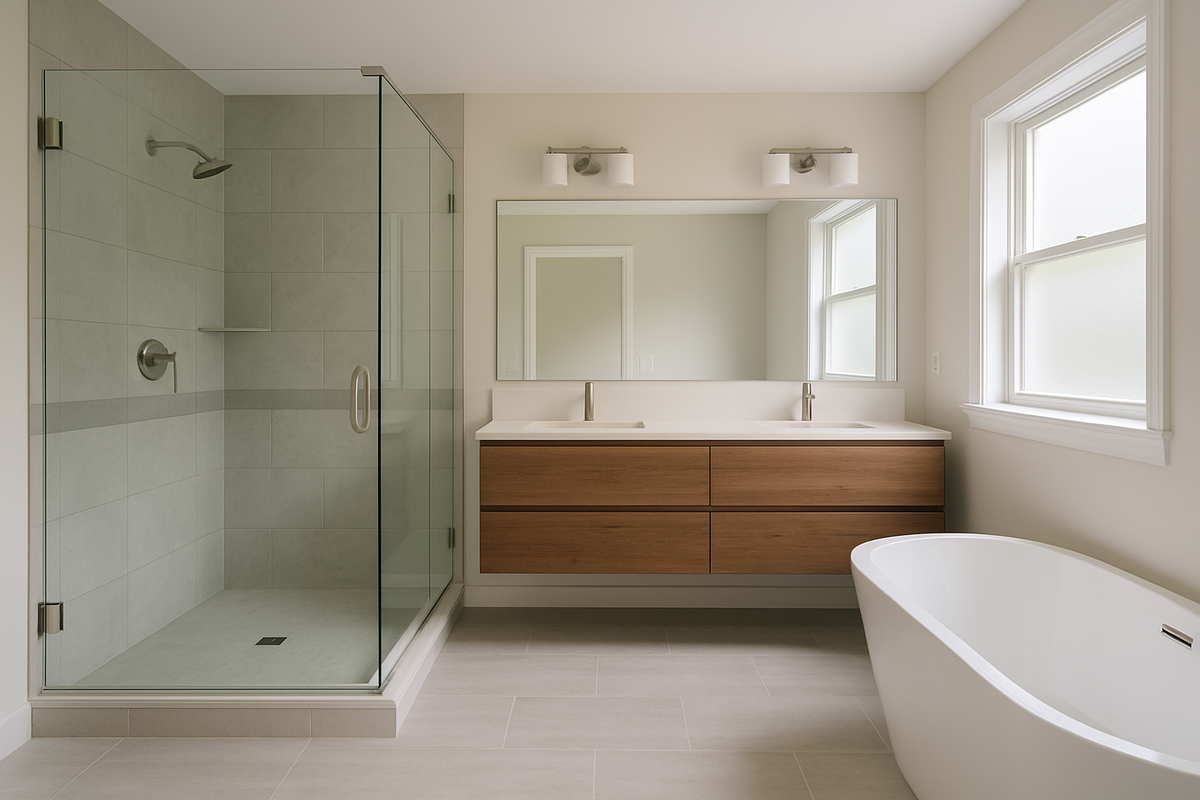
- Shower system: prefab units cost less; custom tiled showers with glass enclosures add labor and waterproofing needs.
- Vanities and cabinetry: stock vs. semi-custom vs. custom affects price and lead time.
- Plumbing fixtures and finishes: premium valves and hardware increase both material cost and installation complexity.
What homeowners can expect from a responsible remodeler
- On-site walkthrough to verify plumbing, framing, and access before final pricing.
- Written, itemized estimate with scope, allowances, and a proposed timeline.
- Coordination with local inspectors and knowledge of NJ permit processes.
- Documentation of any unforeseen conditions and options for moving forward.
Living through the work: minimizing daily disruption
Plan for temporary loss of your primary bathroom by blocking a second bathroom for household use or establishing a temporary setup. Expect dust containment measures, trash removal each day, and designated storage for salvaged items. Good contractors schedule noisy or messy work in predictable blocks and communicate daily progress.
Related services and local pages
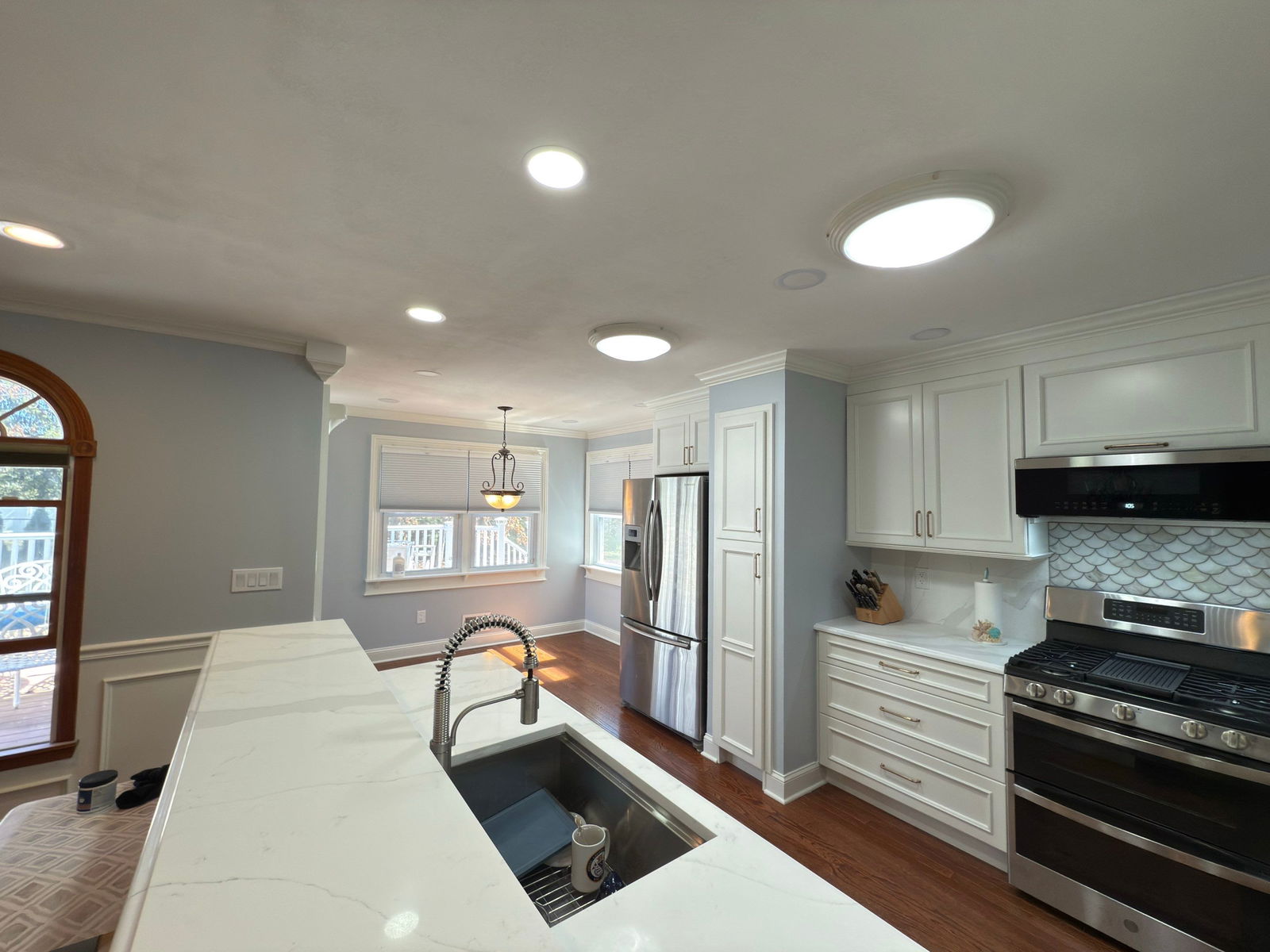
Explore our related remodeling pages for more detail on larger scope projects: kitchen remodeling and bathroom remodeling. For local examples and permitting notes, see our town pages for Fair Lawn, NJ and Mahwah, NJ.
Typical timeline checkpoints
- Initial call and info exchange: 1–7 days.
- On-site walkthrough and measurements: schedule within 1–2 weeks.
- Finalized estimate and contract: 1–2 weeks after walkthrough (depends on client decisions).
- Project start to completion: days for a cosmetic update, 3–6 weeks for mid-range projects, and 6–12+ weeks for full gut remodels depending on scope and inspections.
Next step: get an informed estimate
A walkthrough is the fastest way to get a realistic estimate for your house. During a visit we confirm hidden conditions, provide line-item pricing, and outline a timeline tied to municipal permit work. If you’d like, schedule a site visit so we can prepare a clear written estimate.
Common upgrades homeowners add
- Curbless shower with tile pan and linear drain.
- Upgraded ventilation fan with humidity control.
- Heated tile floor rough-in.
- Semi-custom vanity and integrated storage.