Short answer
Basement finishing costs in Raritan, NJ, vary widely based on the size of the space, the complexity of the layout, the quality of finishes, and any necessary structural or mechanical work. Key cost drivers include framing, insulation, drywall, flooring, electrical and plumbing rough-ins, and whether you add a bathroom or wet bar. Local permit fees and township inspections also factor in.
Basement Finishing Cost Raritan Nj: What NJ Homeowners Need to Know
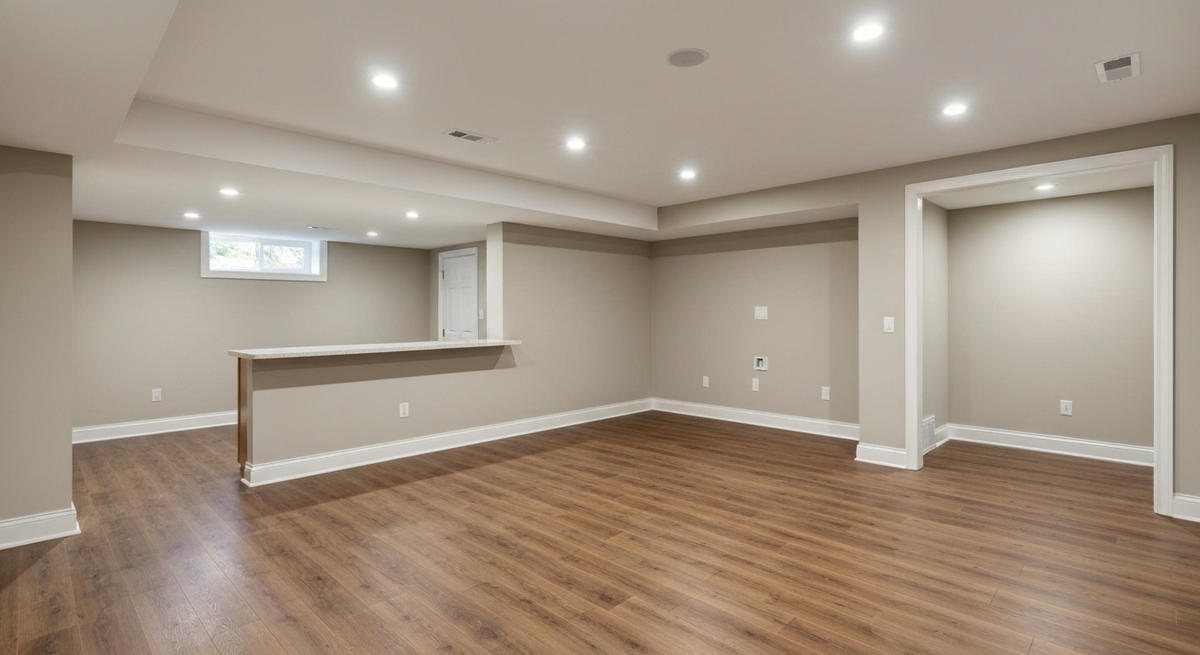
Finishing a basement in Raritan, NJ, is a significant investment that can add valuable living space to your home. Unlike above-grade renovations, basements come with unique challenges: low headroom, moisture management, and access for materials.
What actually drives the decision
- Scope of work: A simple finished room with drywall and carpet costs less than a full layout with a bathroom, kitchenette, or home theater. Each added feature increases material and labor costs.
- Moisture and waterproofing: If your basement has a history of dampness or water intrusion, you may need interior drainage, a sump pump, or exterior waterproofing before finishing.
- Ceiling height and egress: To meet code for a habitable space, ceilings typically need at least 7 feet. If your basement is lower, you may need to dig down or install an egress window, which adds significant cost.
- Mechanicals and utilities: Moving ductwork, plumbing lines, or electrical panels to accommodate the new layout can be a major expense. Many older homes have undersized panels that need upgrading.
- Permits and inspections: Raritan Township requires permits for basement finishing. Fees vary by project value, and you'll need inspections for framing, electrical, plumbing, and final sign-off.
Common mistakes to avoid
One of the biggest mistakes homeowners make is skipping a moisture assessment. Even a small leak can ruin drywall and flooring later. Another is not planning for mechanical access — you may need to leave access panels for shut-off valves or cleanouts. Also, avoid choosing finishes that aren't suited for below-grade conditions: solid hardwood can warp, and standard drywall can mold.